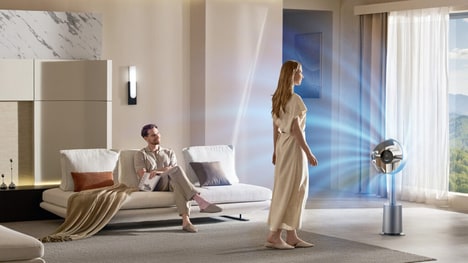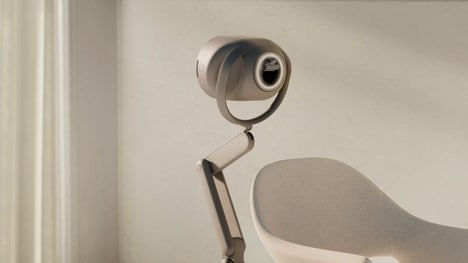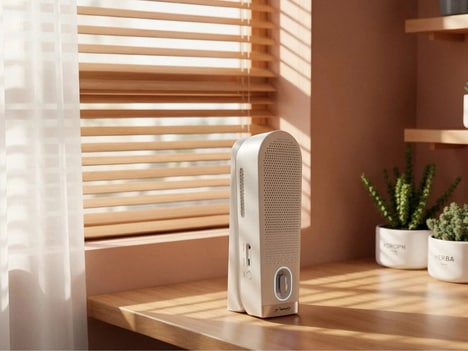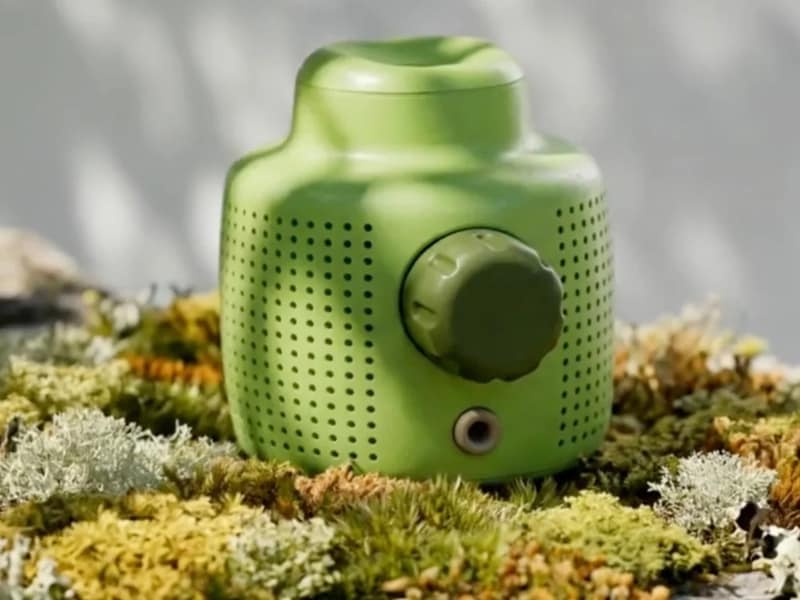
Mur Mur is a prototype audio device created by oio and mattering that produces real-time ambient sound from simulated digital environments. Rather than playing recorded loops, the system generates audio through virtual worlds populated by digital agents that move, interact, and respond to changing conditions.
Three environments are available: The Block, an urban setting with pedestrians, delivery robots, pigeons, and street activity; The Plot, a forest landscape featuring birds, wildlife, and environmental sounds; and The Pond, a waterside ecosystem populated by fish, ducks, boats, and waves. Each environment continues to evolve independently over time.
The system generates sound directly from activity within the simulation, creating continuously changing audio rather than repeating recordings. Users can listen to the worlds through an online streaming platform, while a Max for Live patch allows the audio to be routed into Ableton software for music production.
Image Credit: oio and mattering
What's Driving This Trend
- Generative Ambient Audio
- Continuously synthesized soundscapes introduce new value in audio experiences that avoid repetitive loops and adapt through simulated activity.
- Agent-based Sound Design
- Digital agents driving sonic variation signal a shift toward media systems where behavior, movement, and environmental change become creative inputs.
- Persistent Virtual Ecosystems
- Always-evolving simulated worlds create opportunities for ambient platforms that feel alive across streaming, installation, wellness, and creative production contexts.
Who This Affects Most
- Music Production
- Real-time environmental audio streams expand the palette for producers seeking dynamic textures, adaptive samples, and generative inputs inside digital workstations.
- Wellness Technology
- Non-repeating natural and urban sound environments support differentiated relaxation, focus, and sleep products with more organic long-duration listening experiences.
- Interactive Entertainment
- Simulation-based audio systems align with games and virtual spaces that require responsive atmospheres shaped by characters, ecosystems, and user presence.