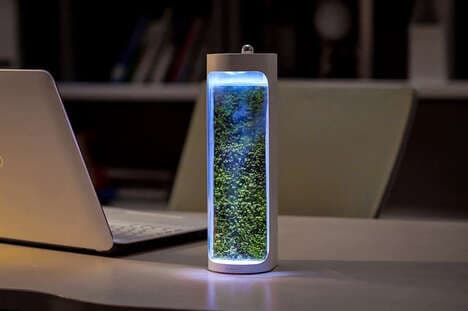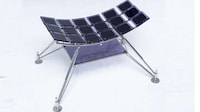

The Moss Table provides one example of the future application for biophotovoltaic technology (BPV). Through the process of photosynthesis, BPV devices generate electricity using specific living organisms such as cyanobacteria, moss, algae and vascular plants. The Moss Table has the potential to harvest enough energy to power devices like a small clock or lamp, which is demonstrated in the prototype.
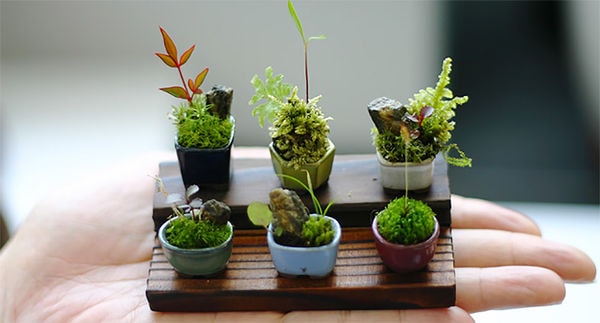
Developed by Biophotovoltaic, an obvious albeit appropriate name for this company, the Moss Table is home to 112 moss pots. Housed on a white side table, they collectively generate just over 500 joules of energy throughout a day, enough to power a laptop for a whopping 20 seconds. That is not a lot, but it paves a way for other uses.
Why This Trend Is Growing
- Biophotovoltaic Furniture
- BPV technology integrated into furniture design provides alternative sources of energy
- Moss Energy Generation
- Using moss to generate electricity presents a new avenue for sustainable energy production
- Photosynthesis-based Energy Sources
- Photosynthesis technology can be used to create eco-friendly BPV devices
Industries Being Reshaped
- Furniture Design
- Incorporating eco-friendly and sustainable energy solutions presents a new market for furniture designers
- Renewable Energy
- BPV technology provides a way to improve renewable energy sources and generate alternative energy supplies
- Biotechnology
- Innovations in BPV technology require advancements in biotechnology, creating opportunities for research and development