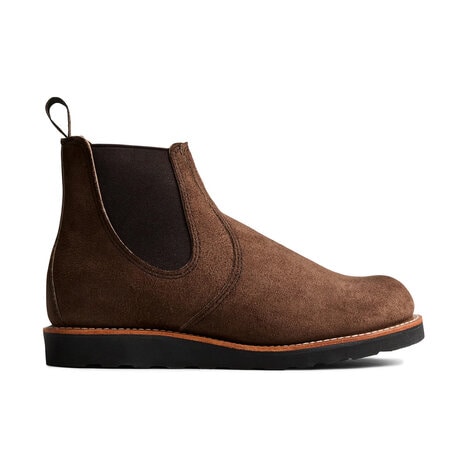
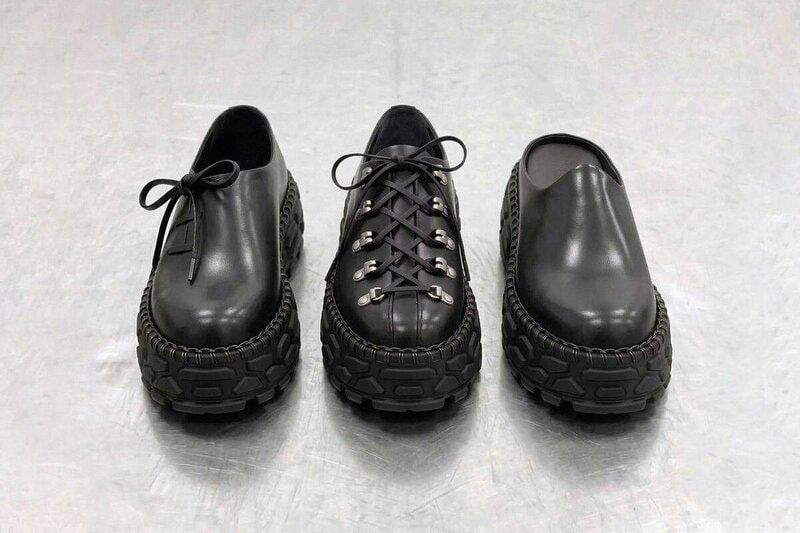
'Terracotta' is making footwear last longer through shoes built around replaceable soles. Daniel Bailey's new label debuts a familiar leather shoe with a modular base, so you can swap the lower half instead of retiring the whole pair.
The launch includes a hiking-style shoe, a derby, and a mule, all made from tonal black leather. Terracotta also worked with Vibram on a three-piece sole unit, which makes the structure more repairable and more future-friendly than a standard glued-on bottom.
For shoppers, this means the life of a favorite pair is no longer tied to a single worn-out sole. It also nudges footwear toward upkeep and longevity, where design must look good and be serviceable at the same time. That is a useful shift for a category built around quick wear and even quicker replacement.
Image Credit: terracotta
What's Driving This Trend
- Modular Footwear
- Replaceable sole systems extend product lifecycles while creating premium service models around repair, refresh, and component upgrades.
- Repairable Luxury
- High-end design is increasingly incorporating visible serviceability, allowing brands to merge craftsmanship with circular consumption expectations.
- Component-based Design
- Products built from interchangeable parts support longer use, easier maintenance, and recurring revenue through replacement modules instead of full repurchases.
Who This Affects Most
- Footwear
- Shoe brands can differentiate through durable constructions that reduce waste while preserving style and comfort over multiple wear cycles.
- Fashion Retail
- Retailers gain new value propositions by pairing premium apparel and accessories with repair ecosystems, warranties, and aftermarket care services.
- Materials Manufacturing
- Specialized sole, leather, and fastening suppliers are positioned to support scalable modular systems that make consumer goods more repairable and adaptable.