A forward-thinking scientist hopes his project concerning nickel accumulation will aid with pollution and mine cleanup. Dylan Bruge on cleaning up pollution-causing mines with plants that turn into precious metals.
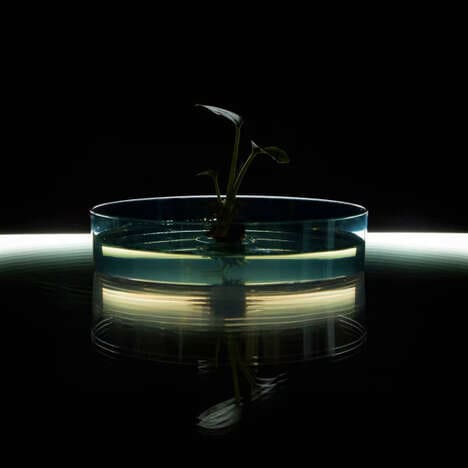
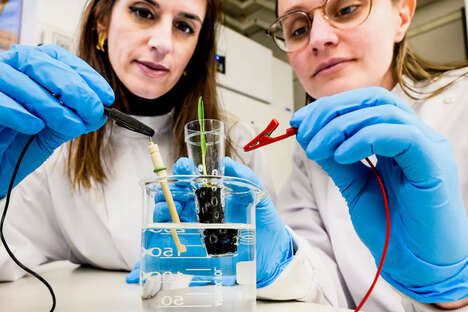
A botany curator at California Academy of Sciences is performing research on the Streptanthus revolves around the unusual hyper-accumulation of heavy metals. Specifically the Strepthanus polygaloides species are able to absorb extreme amounts of nickel from the soil and store the metal in its leaves. The 34 year old scientist's work explores isolating this genetic trait and applying it to mine cleanup and other social issues.
Bruge also foresees a way to monetize this project, resulting in a newer, greener and more sustainable way forward for the mining industry. While phytomining is not a new concept, Bruge's enterprising ideas could give it new life.
What's Driving This Trend
- Nickel-accumulating Plants
- Exploring the potential of plants with the ability to absorb and store heavy metals like nickel, offering a green solution for mine cleanup and pollution.
- Phytomining Innovation
- Revitalizing the concept of phytomining through genetic research and novel applications, creating more sustainable practices for the mining industry.
- Monetizing Green Mining
- Developing profitable models around the use of nickel-accumulating plants in mine cleanup, leading to a greener and more financially viable mining industry.
Who This Affects Most
- Mining
- Integrating the use of nickel-accumulating plants for mine cleanup, reducing environmental impact and improving sustainability in the mining sector.
- Botany Research
- Advancing genetic research on plants like Strepthanus polygaloides to explore their potential in environmental remediation and sustainable solutions.
- Environmental Services
- Creating opportunities for companies specializing in mine cleanup and pollution mitigation through the adoption of phytomining innovations and green solutions.