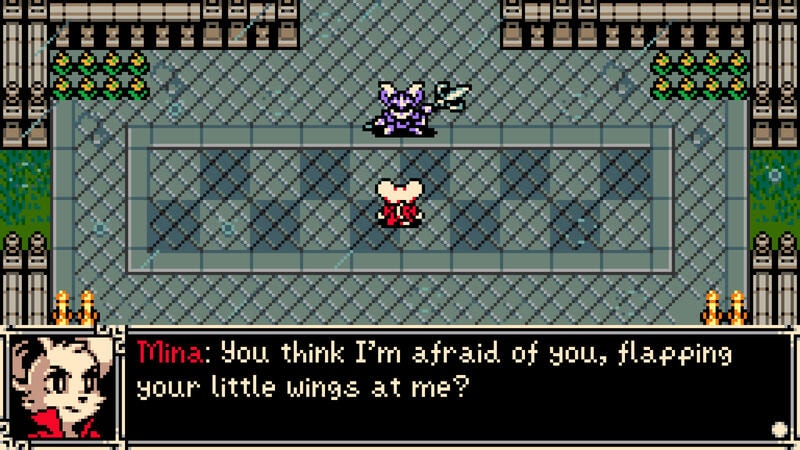
Mina the Hollower is a retro-style action-adventure platformer from Yacht Club Games, the studio behind Shovel Knight, featuring top-down exploration and pixel-art design. Sony showcased an update during its State of Play stream and confirmed the game was delayed from last Halloween to allow additional polish and balancing.
A limited-time demo landed on PS5 on Friday, Feb. 13, giving players an early hands-on look ahead of the full release, which the developer scheduled for spring 2026. The title preserves classic Zelda-like mechanics with modern tweaks and an emphasis on tight combat and puzzle-led progression.
For players, Mina the Hollower promises nostalgic gameplay refined for contemporary audiences, delivering bite-sized demos and a spring launch window that tap into demand for curated retro experiences. The delay signals careful quality control, aligning the release with ongoing interest in pixel-driven indie platforms.
Image Credit: Yacht Club Games
Key Themes Behind This Trend
- Curated Retro Revivals
- Blending nostalgic mechanics with contemporary design sensibilities opens pathways for premium, nostalgia-driven titles to capture both legacy fans and new players.
- Demo-first Launch Strategies
- Limited-time demos and early hands-on previews are reshaping user expectations for pre-release sampling and demand forecasting in game launches.
- Polished Pixel Aesthetics
- High-fidelity pixel art combined with tight modern gameplay creates opportunities for visually simple but mechanically deep experiences that stand out in crowded marketplaces.
Where This Applies
- Indie Game Development
- Smaller studios emphasizing careful polish and genre homage are positioned to disrupt through focused quality and community-driven hype rather than massive marketing spends.
- Digital Distribution Platforms
- Platforms offering time-limited demos and curated retro catalogs can redefine discovery and monetization models for niche titles.
- Gaming Hardware and Consoles
- Hardware makers that emphasize fast-access demos and optimized performance for pixel-art engines may unlock new hardware-software bundling strategies for indie-friendly ecosystems.