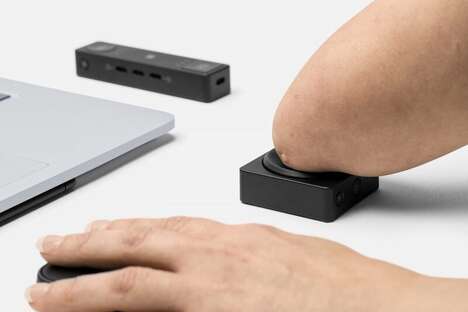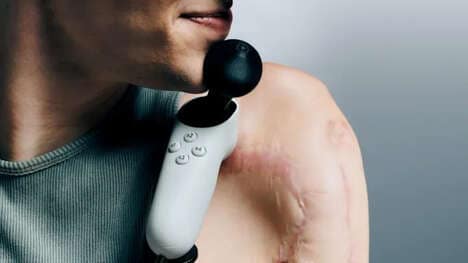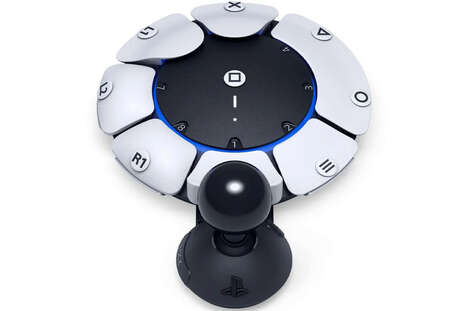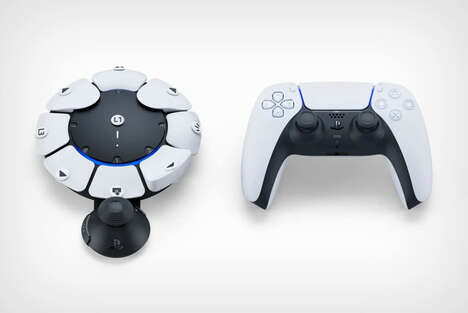
The Microsoft Adaptive Controller for Xbox, originally released in 2018, is a popular accessibility device for gamers with limited mobility. The controller itself is a flat rectangular pad with large buttons and numerous expansion ports for each button found on a traditional Xbox controller. These ports connect to a number of accessories, with some being included in the box, and some being sold by Microsoft or other third-party retailers, such as Logitech.
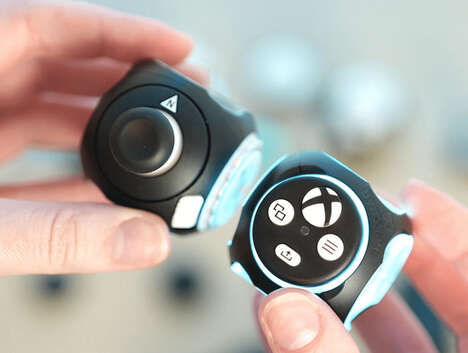
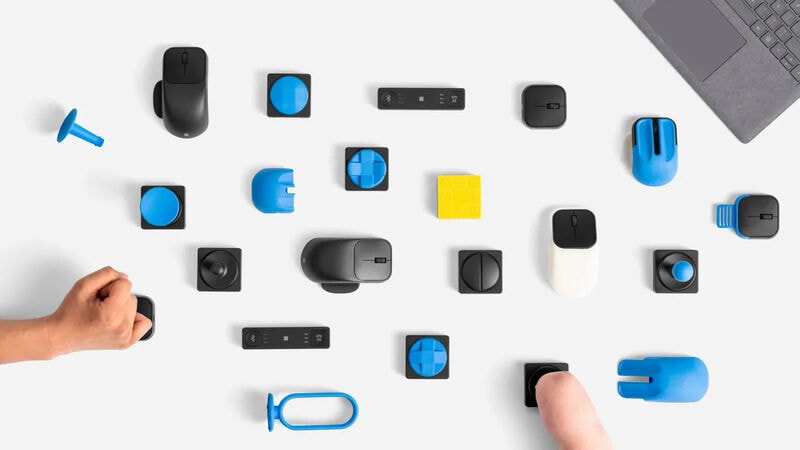
While the controller has been popular for years and hailed as a pillar of gaming accessibility, Microsoft has recently released a new set of expansion accessories for the device that push its accessible nature even further. These new accessories include an Adaptive Mouse, a new style of Adaptive Buttons, and notably, the wireless Adaptive Hub that allows for pairing of accessories without analog connections. This allows gamers to craft a controller that fully meets their needs without being limited to standard button layouts, button sizes, or even wires.
Image Credit: Microsoft
Why This Trend Is Growing
- Adaptive Gaming Peripherals
- Companies can develop new accessories to expand the capabilities of the Microsoft Adaptive Controller for gamers with limited mobility.
- Wireless Connectivity for Adaptive Devices
- Developers can create wireless hubs or adapters for various adaptive devices to enhance the user's experience further.
- Accessibility in Gaming
- More game developers can integrate accessibility features in their games to target the unexplored market of gamers with limited mobility.
Industries Being Reshaped
- Gaming Hardware
- Gaming hardware companies can design new adaptive peripherals that cater to users with limited mobility and broaden the horizon of accessible gaming.
- Wireless Technology
- Wireless technology companies can venture into the realm of adaptive devices and develop wireless hubs and connectivity options to streamline the user's experience.
- Video Game Development
- Video game developers can integrate more accessibility features, such as key remapping and configurable controllers, to target a wider audience of gamers with disabilities.