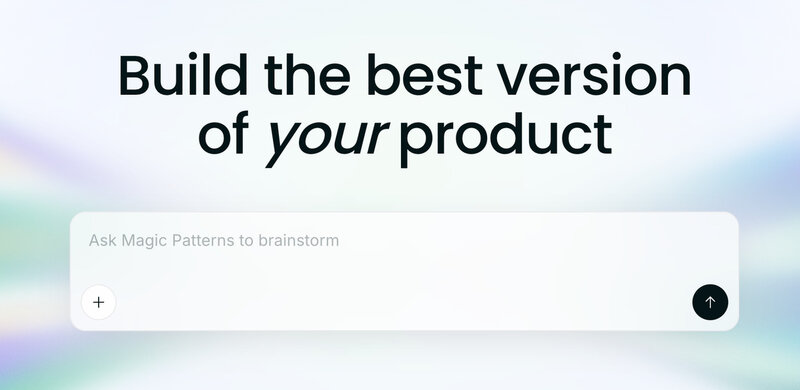
Turning a software idea into an interactive prototype can take significant time, particularly when teams need to move between brainstorming, design, and prototyping tools. Magic Patterns is an AI design tool built for software product teams, helping product managers, designers, and founders quickly turn ideas into interactive mockups.
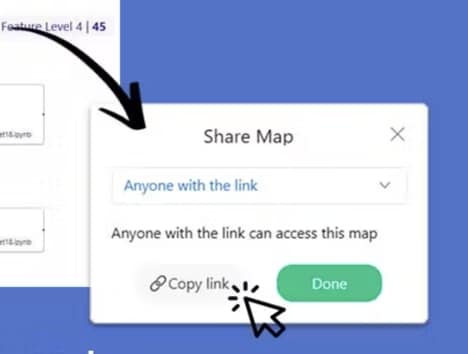
Users can use AI to explore product concepts and create prototypes without having to build every interface element from scratch. The platform is designed to make it easier to experiment with different ideas, test potential product experiences, and communicate concepts with the wider team. Rapid prototyping can also help teams identify what works before investing significant time and resources into development. Magic Patterns gives product teams a faster way to move from an initial concept to something visual and interactive that can be reviewed, refined, and shared.
Image Credit: Magic Patterns
What Makes This Trend Stand Out
- AI-assisted Prototyping
- Generative design platforms are compressing the path from product concept to interactive mockup, creating room for faster validation cycles and lower-cost experimentation.
- No-code Product Ideation
- Visual AI tools are making early-stage software exploration more accessible to non-technical teams, expanding who can contribute to product development decisions.
- Collaborative Concept Testing
- Interactive prototypes generated from simple prompts are reshaping team alignment by turning abstract ideas into shareable product experiences before development begins.
Sectors Adopting This
- Software Development
- AI-powered prototyping is changing how development teams prioritize features by surfacing usability and product-fit insights before engineering resources are committed.
- Product Management
- Automated mockup creation gives product leaders a more dynamic way to compare concepts, gather stakeholder feedback, and refine roadmaps earlier in the process.
- User Experience Design
- Design workflows are being disrupted by tools that generate interface variations instantly, allowing UX teams to evaluate more possibilities with less manual production time.