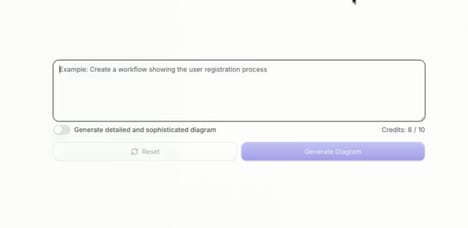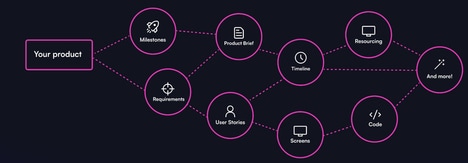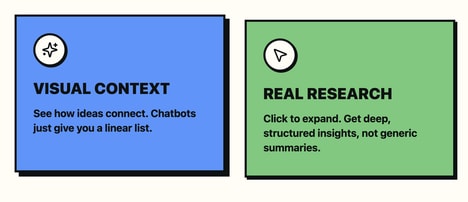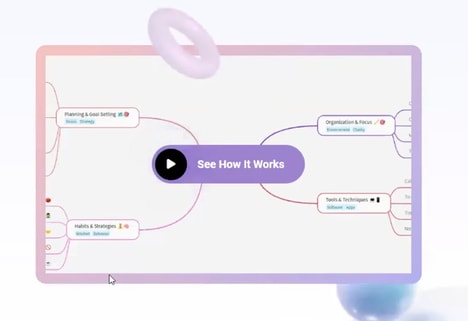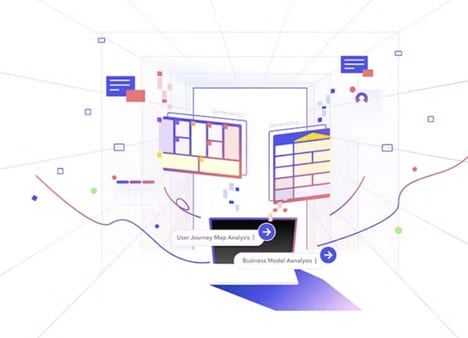
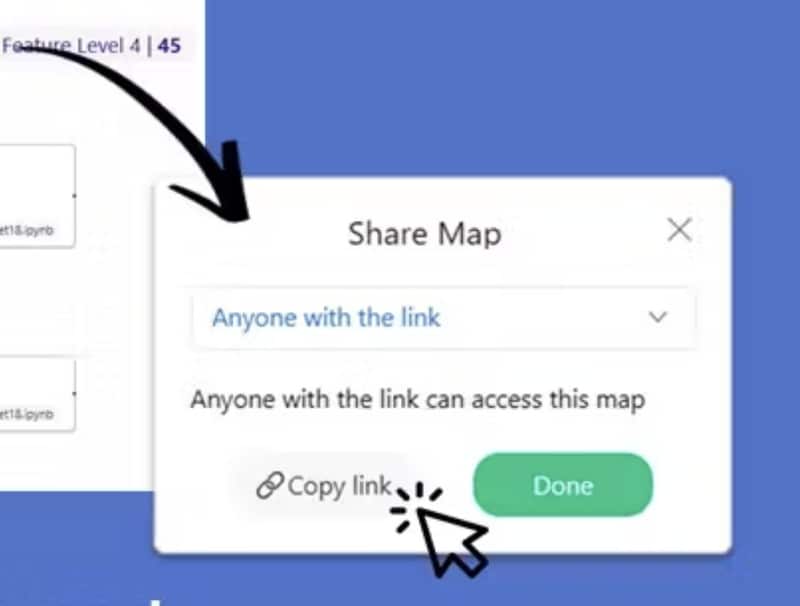
ProductMap AI is a development tool designed to help users understand complex codebases through visual mapping. By generating interactive, AI-driven representations of a system’s feature hierarchy, it allows users to navigate code in a structured and intuitive way.
Similar to map-based interfaces, users can zoom in and out to explore high-level architecture or detailed components, supporting both technical and non-technical stakeholders. This approach can reduce onboarding time for new developers, improve cross-team communication, and clarify dependencies within large projects. For businesses managing complex software systems, tools like ProductMap AI can enhance efficiency by making codebases more accessible and easier to interpret. Its focus on visualization reflects a broader trend toward simplifying technical complexity through user-friendly interfaces and AI-assisted insights.
Image Credit: ProductMap AI
What's Driving This Trend
- AI-driven Code Mapping
- Automated generation of navigable system maps is reducing cognitive load by converting code semantics into spatial, explorable representations.
- Map-based Developer Interfaces
- A spatial, zoomable UI paradigm is reframing how architecture and component relationships are perceived within large codebases.
- Cross-stakeholder Visualization
- Shared visual artifacts are bridging technical and non-technical perspectives, making dependency and feature intent more transparent across teams.
Who This Affects Most
- Enterprise Software Development
- Large-scale engineering organizations are seeing faster knowledge transfer and reduced integration risk through unified visual maps of sprawling systems.
- Onboarding and Training
- Developer ramp-up processes are becoming more efficient as interactive code visualizations shorten the time to productive contribution.
- Software Architecture Consulting
- Consultancies are gaining new advisory value by using AI-visualized code structures to diagnose complexity and recommend targeted refactors.