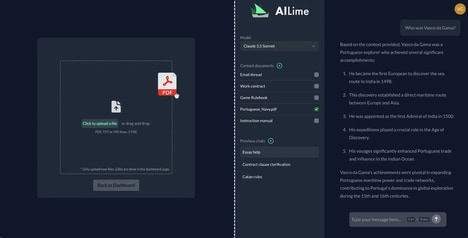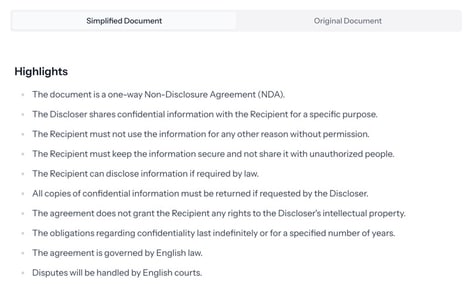
Luminance, the U.K.-based legal A.I. company, helps to reduce some of the "grunt" work many law firms face on a daily basis. The machine learning platform uses aspects of natural language processing and clustering (grouping data based on similarities and differences).
This allows the software to "[comb] through vast troves of documents, trying to find those clauses that might be problematic." This ensures that lawyers can quickly identify which documents and clauses are similar and which are outliers. A, according to a report by the brand, using these aspects of the Luminance system, one firm was able to create a legal document in 45 minutes, rather than the standard of the timeframe of several days.
Image Credit: Luminance
What Makes This Trend Stand Out
- AI-driven Legal Software
- The trend of utilizing artificial intelligence in legal software is transforming the way law firms handle document analysis and creation.
- Machine Learning
- The integration of machine learning technology in legal software allows for improved efficiency in identifying problematic clauses and outliers.
- Natural Language Processing
- The trend of employing natural language processing techniques in legal software enables faster analysis and identification of similarities and differences in legal documents.
Sectors Adopting This
- Legal Services
- The legal services industry can benefit from adopting AI-driven software, improving document analysis, and streamlining the creation process.
- Technology
- The technology industry can explore opportunities in developing advanced machine learning algorithms and natural language processing techniques for the legal software sector.
- Professional Services
- The professional services industry, specifically law firms, can leverage AI-driven legal software to reduce manual work, increase productivity, and improve client service.