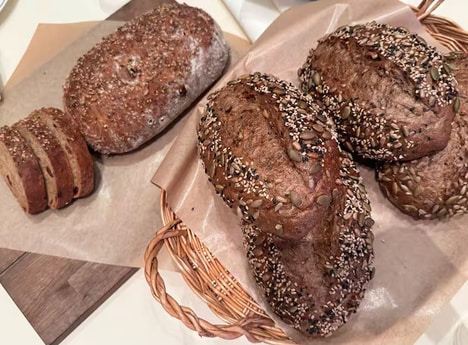

Turkish Airlines has launched a unique locally sourced bread offering for passengers. The company is serving bread made from wheat cultivated in Anatolia, the cradle of early agriculture. This initiative is more than just an addition to in-flight dining — it’s a tribute to a 12,000-year-old legacy of human civilization. By connecting passengers with the origins of agriculture, the airline brings history to life while enhancing its culinary identity.
The locally sourced bread is inspired by practices that date back to the dawn of settled communities in the Fertile Crescent. The project is closely tied to ongoing archaeological efforts at Taş Tepeler, including sites like Göbeklitepe, which mark humanity’s shift from hunting and gathering to farming. Turkish Airlines' emphasis on local heritage and innovation underscores its role as more than a transportation service — it becomes a cultural ambassador.
Image Credit: Turkish Airlines
What Makes This Trend Stand Out
- Heritage-crafted Cuisine
- Combining culinary offerings with deep historical roots creates unique and memorable dining experiences for customers.
- Local Ingredient Utilization
- Sourcing ingredients locally can enhance brand authenticity and sustainability credentials, appealing to eco-conscious consumers.
- Cultural Tourism Integration
- Integrating cultural elements into consumer experiences can elevate brand perception and foster deeper connections with consumers.
Sectors Adopting This
- Airline Industry
- Airlines can explore in-flight dining enhancements that celebrate local heritage to differentiate themselves and offer unique customer experiences.
- Food and Beverage
- The food and beverage industry has an opportunity to innovate through the promotion of historically significant and locally sourced ingredients.
- Tourism
- Connecting tourism with cultural and historical narratives can create compelling travel experiences that attract history enthusiasts and cultural travelers.