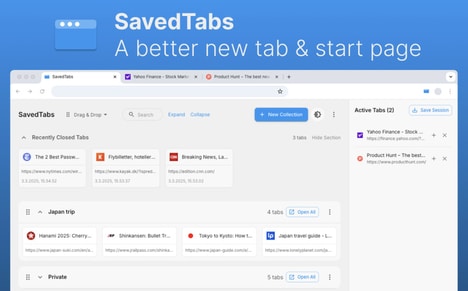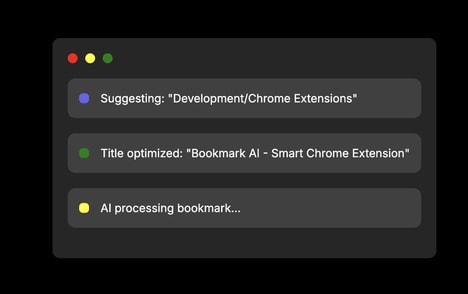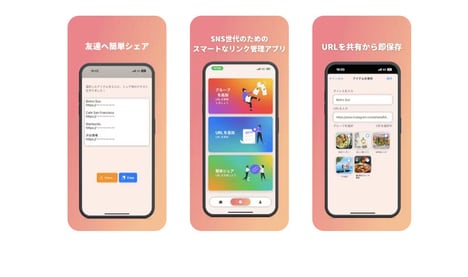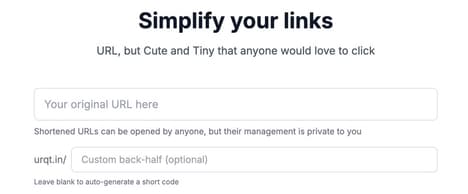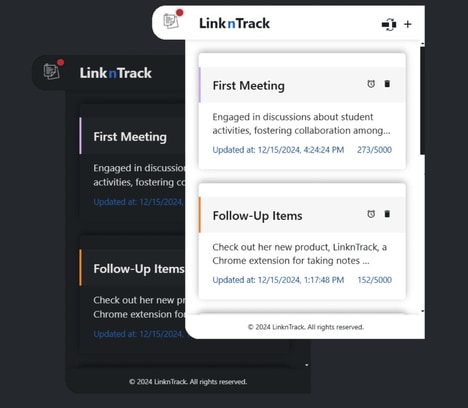
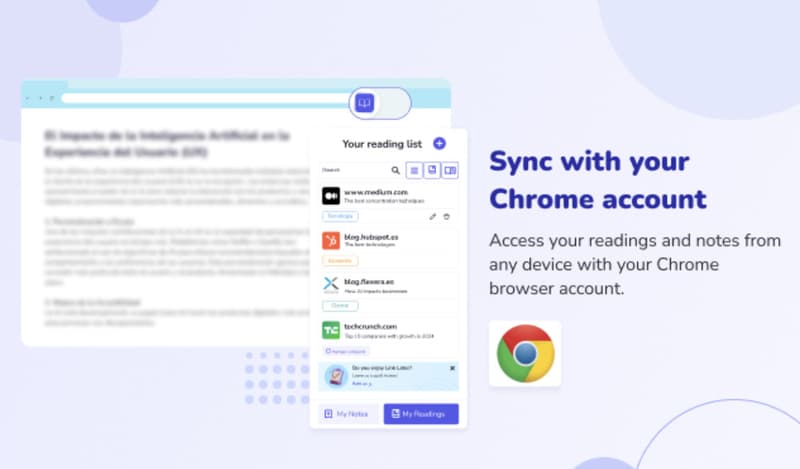
Link Later is a Chrome extension designed to help users manage online content by saving links for future reading or reference. Rather than relying on bookmarks or multiple open tabs, the tool provides a structured way to collect and organize articles, resources, and webpages in one place.
Its simplicity reflects a growing demand for lightweight productivity solutions that reduce digital clutter without adding workflow complexity. From a business standpoint, tools like Link Later support knowledge management by enabling professionals to curate research, industry insights, and reference materials more efficiently. Centralized link organization can improve focus, reduce context switching, and help teams or individuals revisit important information when needed. As information consumption continues to increase, streamlined reading list tools play a practical role in maintaining organization, improving productivity habits, and supporting more intentional content consumption across daily workflows.
Image Credit: Link Later
What Makes This Trend Stand Out
- Lightweight Productivity Extensions
- A demand for minimal, add-on tools opens options for compact extensions that deliver focused functionality without overwhelming user workflows.
- Centralized Knowledge Curation
- Organizations are moving toward unified repositories that consolidate scattered links and annotations to create searchable, team-shared research hubs.
- Intentional Content Consumption
- Growing user preference for deliberate reading workflows encourages features that prioritize relevance, reduce noise, and surface high-value materials.
Sectors Adopting This
- Saas Productivity Tools
- Integration of lightweight link-management features into broader productivity suites can redefine how users capture and retrieve web-based information.
- Enterprise Knowledge Management
- Companies that embed curated reading lists and link metadata into knowledge platforms can transform research handoffs and institutional memory.
- Digital Publishing and Media
- Media organizations that collaborate with reading-list tools can reshape content discovery and personalization through contextual bundling of articles.