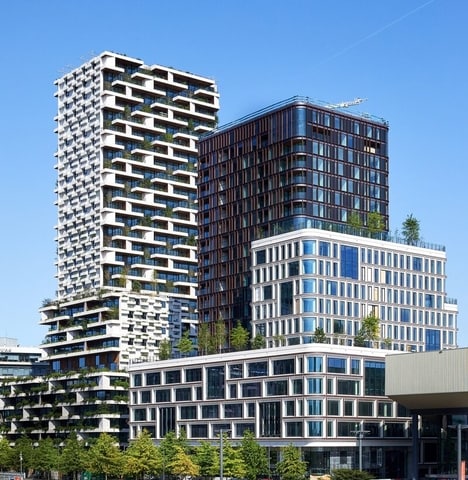
This large living wall in London, in fact it's the biggest in the city, is meant to prevent flooding. Designed by Gary Grant of Green Roof Consultancy, the facade is 21 meters high, covering a total of 350 square meters, composed of 10,000 plants and over 16 tons of soil. The large living wall is irrigated with collected rainwater, making use of a roof drainage system that will also reduce surface flooding. The Royal Horticultural Society recommended the plants used as being the best pollinators to attract bees and urban appropriate wildlife to the area.
Not only is the wall intended to fight frequent flooding, but it's also designed to improve air quality in Victoria and reduce other environmental symptoms. The permanent fixture covers an exterior side of the Rubens at the Palace Hotel.
Key Themes Behind This Trend
- Living Wall Architecture
- An opportunity for architects to incorporate living walls into building designs to combat flooding and improve air quality in urban areas.
- Eco Infrastructure
- The increasing demand for eco-infrastructure is leading to the development of innovative solutions such as living walls that provide both environmental and aesthetic benefits.
- Sustainable Urbanism
- The integration of living walls into urban design is part of a larger trend towards sustainable urbanism that focuses on creating healthy and resilient cities.
Where This Applies
- Architecture
- Architects can incorporate living walls into building designs to provide eco-friendly solutions and meet rising demand for sustainability in the construction industry.
- Landscaping
- The increase in demand for living walls creates opportunities for landscaping companies specializing in the installation and maintenance of green infrastructure.
- Hospitality
- Hotels and other buildings in the hospitality industry can use living walls to enhance the aesthetic appeal while also providing environmentally-friendly solutions to issues such as flooding and air pollution.