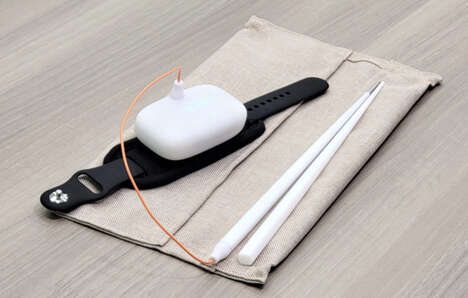
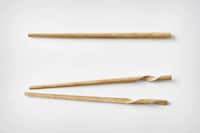
Playing on the term "kattobase" which means "making a big hit" in Japanese, Kattobashi chopsticks are recycled from broken baseball bats. These collectible items have team names and logos printed on them, allowing fans to show a little more support while being eco-friendly. In addition, this concept helps reduce the usage of disposable wooden chopsticks, which is also healthy for the environment.
Check out the different Kattobashi chopsticks in the featured gallery.
Implications - Consumers are looking for unique details in all of their products. Items that feature a whimsical element are appealing to those who want a more personalized experience with their purchases. In order to stay on trend, a company could focus on this.
What Makes This Trend Stand Out
- Personalized Product Experiences
- Creating products with unique and whimsical elements can attract consumers seeking a more personalized experience with their purchases.
- Eco-friendly Collectible Items
- Designing products from recycled materials, like Kattobashi chopsticks made from broken baseball bats, appeals to environmentally conscious consumers and collectors.
- Reduction of Disposable Utensils
- Developing innovative alternatives to disposable wooden chopsticks can contribute to a healthier environment and address the growing concern of waste.
Sectors Adopting This
- Eco-friendly Products
- Companies in the eco-friendly product industry can capitalize on the demand for sustainable collectibles, like Kattobashi chopsticks made from recycled materials.
- Sports Merchandise
- The sports merchandise industry can explore collaborations with eco-conscious brands to create unique collectible items that cater to fans' desire for personalized products.
- Food Service and Hospitality
- Restaurants and caterers can invest in innovative utensil solutions that reduce the need for disposable chopsticks, aligning with consumer demand for sustainable dining options.