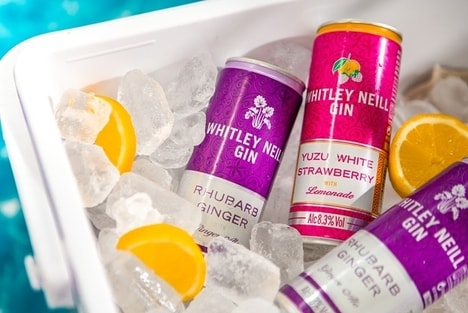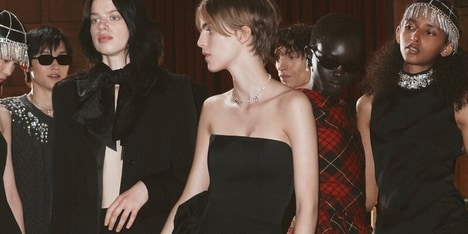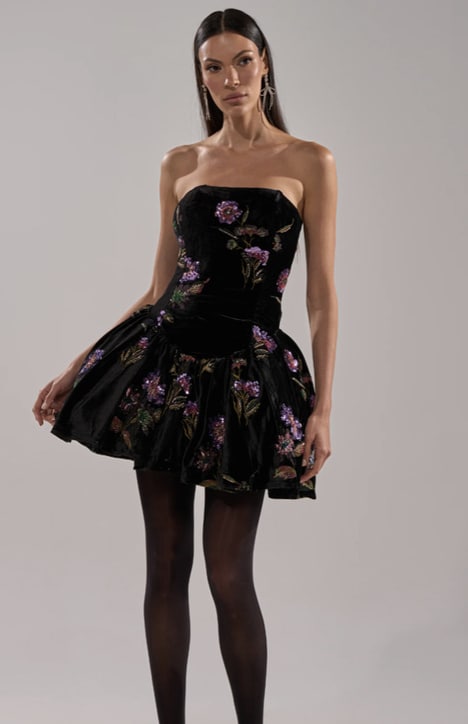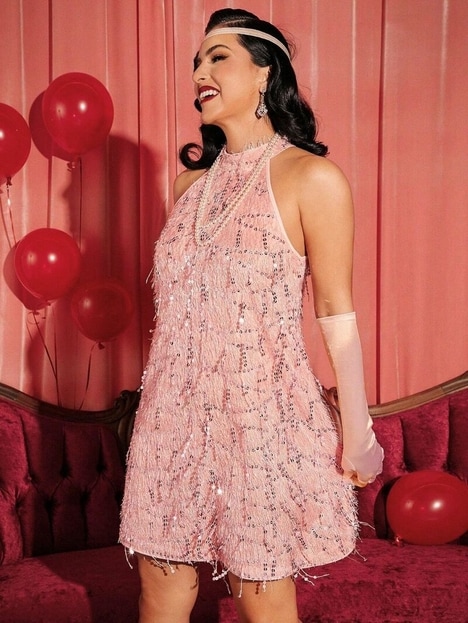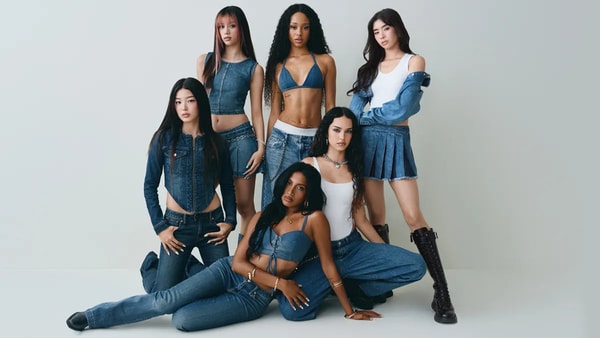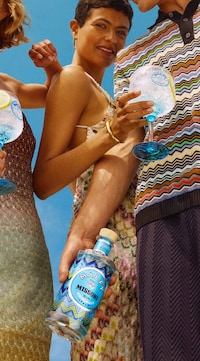
The Karen Millen Whitley Neill Dress has been created through a collaboration between the fashion brand and the gin brand as a dazzling garment that draws inspiration from an unexpected source: gin packaging. The dress features a midi cut that's achieved with a stretch-infused material and an exterior that's covered with a hand-cut crystal grid embellishment. These details combine to create a garment that's at once curve-hugging, but also light-catching to transform the wearer into an eye-catching sight that subtly pays homage to the Whitley Neill Japanese Yuzu & Strawberry Gin bottle.
The Karen Millen Whitley Neill Dress can be purchased online directly from the fashion brand for £229 and coincides with the season to encourage consumers to pick it up for summertime wear.
What's Driving This Trend
- Packaging-inspired Fashion
- Packaging codes from premium consumer goods are becoming design assets for apparel, creating room for garments that translate bottle shapes, labels, colors, and textures into wearable brand storytelling.
- Beverage-fashion Collaborations
- Cross-category partnerships between alcohol brands and fashion labels are reshaping seasonal product drops with limited-edition pieces that merge lifestyle aspiration, collectability, and occasion-based consumption.
- Crystal-embellished Occasionwear
- Light-catching embellishments and body-contoured silhouettes are elevating summer eventwear, suggesting fresh potential for sensory-driven garments that photograph well across social and retail platforms.
Who This Affects Most
- Apparel and Fashion
- Fashion brands are expanding their creative references beyond traditional runways, with disruptive potential in apparel collections built from the visual identities of unexpected consumer categories.
- Spirits and Alcohol
- Spirits companies are gaining new cultural relevance through non-beverage merchandise, where packaging aesthetics can extend brand equity into fashion, gifting, and lifestyle markets.
- Online Retail
- Digital storefronts are well positioned for collaborative capsule launches, as visually distinctive products can combine editorial storytelling, scarcity, and direct purchase pathways in a single consumer journey.