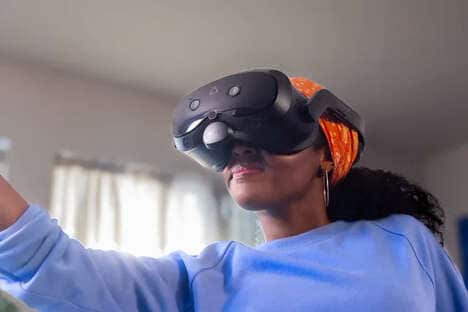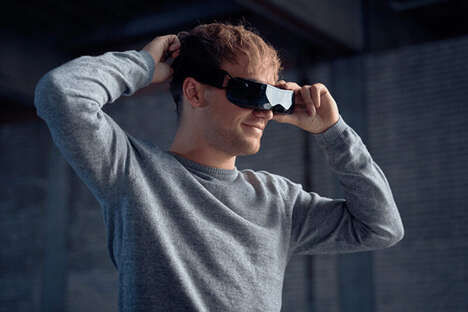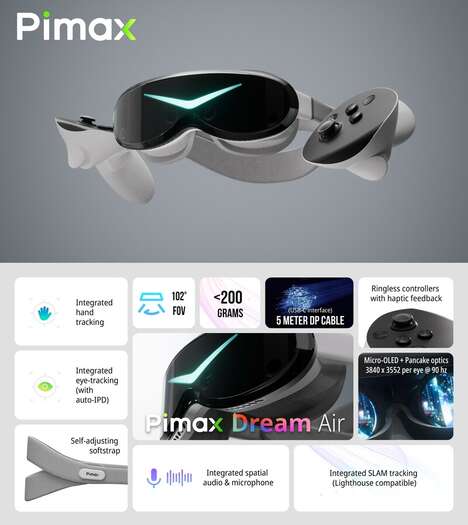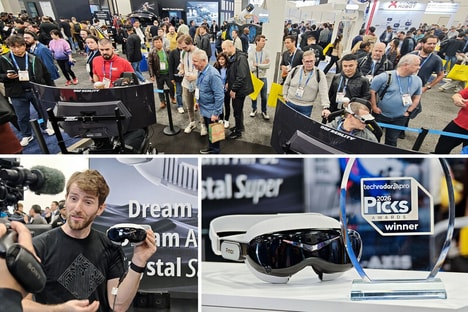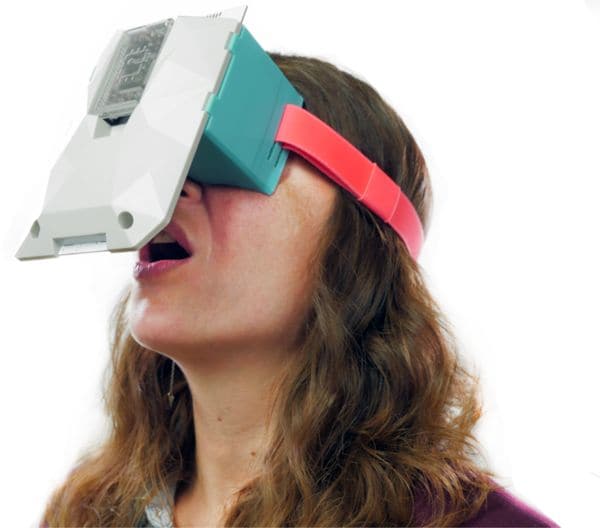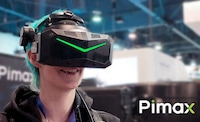


Despite the abundance of VR headsets on the market, the 'IonVR' headset is making waves at CES 2016. One of the major problems with VR headsets is that the wearer's visibility is limited by the glasses themselves. This means that VR users are more likely to bump into other objects if they move around while wearing the glasses.
The IonVR is designed to improve VR visibility by providing wearers with a 3D view of their surrounding environment. This is possible thanks to Intel’s Realsense ZR300 camera, which adds a virtual layer to the analogue environment. In turn, real-world obstacles become a part of the immersive VR landscape. As a result, the wearer is able to see and avoid furniture and other other obstacles.
The IonVR headset not only improves visibility for those immersed in a virtual environment, but it also helps to cure the feeling of nausea that can result from the VR experience.
What Makes This Trend Stand Out
- Visibility-enhanced VR Headsets
- Improved VR glasses with a 3D view of surrounding environment can provide a more immersive experience that incorporates real-world obstacles.
- Intel Realsense Camera Integration with VR Headsets
- Integrating the Realsense ZR300 camera with VR headsets for physical obstacle visibility can lead to a more realistic and safer experience.
- Elimination of VR Nausea
- New VR headsets like IonVR can eliminate feelings of nausea, making extended use of virtual technology possible for more users.
Sectors Adopting This
- Gaming
- By allowing games to incorporate real-world obstacles, gaming companies can introduce new immersive experiences that utilize Intel Realsense camera technology.
- Architecture & Construction
- Architecture and construction firms can use the new technology to create virtual walk-throughs of buildings and spaces that include physical obstacles, leading to increased efficiency and safety.
- Healthcare
- Virtual reality technology could be used in healthcare to simulate real-world scenarios and train medical professionals and provide more realistic and effective training opportunities without risking patients’ safety.