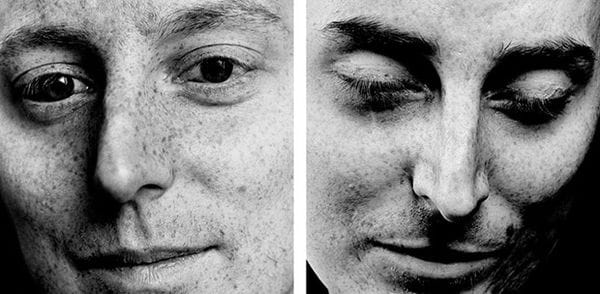
The intimate handicapped portraits of Olivier Fermariello give people a look at a different type of beauty. Stepping away from the ideal standard created by the media, this beautiful photo series gives people a rare glimpse into the lives of a few disabled individuals. Whether posing nude on their bed or dressed by the closet, the moments are quiet and reflective, which encourages people to be the same.
Living a life of taboo day in and day out, this series of intimate handicapped portraits provides an poignant outlet for those without a voice. Titled 'Je t’aime moi aussi,' which means 'I love you, too,' the artist writes, "People with disability in most cases feel the discrimination of not being considered entirely as a man or a woman: instead they feel treated either as children, either as beings belonging to a third gender, neutral with no libido."
What Makes This Trend Stand Out
- Intimate Handicapped Portraits
- There is an opportunity for more authentic representation of disabled individuals in media and art.
- Challenging Beauty Standards
- A trend towards showcasing diversity and inclusivity in beauty is emerging.
- Person-centered Photography
- An opportunity to move away from staged and posed photography and toward capturing more authentic and intimate moments.
Sectors Adopting This
- Photography
- Photography businesses and services can offer more inclusive and personalized options that cater specifically to the disabled community.
- Media
- Media outlets and publications can diversify their content by featuring more authentic and intimate portrayals of disabled individuals.
- Art
- Artists can continue to push boundaries and challenge beauty standards by featuring diverse and marginalized communities in their work.