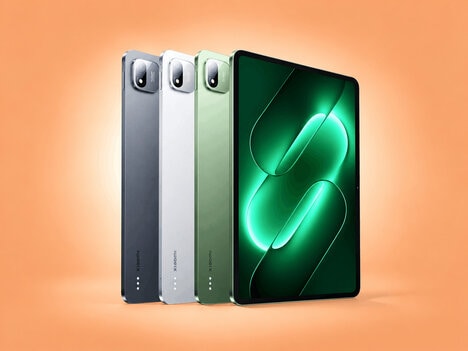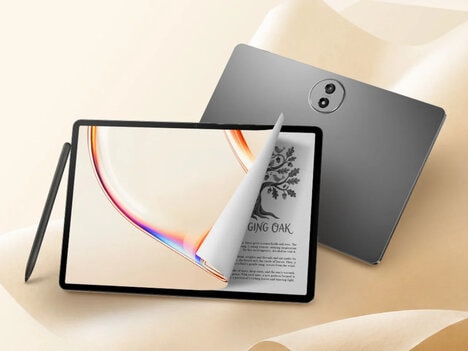
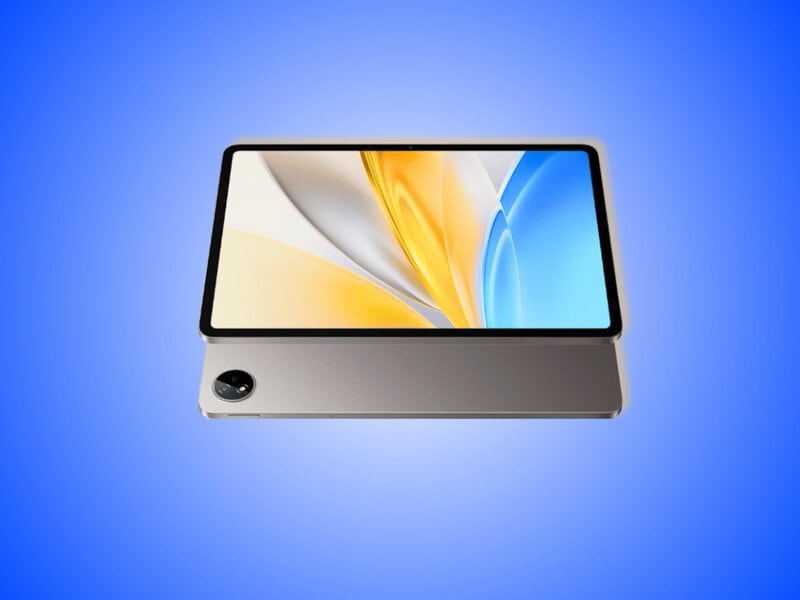
Vivo is moving the Pad FE toward markets outside China with a Wi-Fi-only tablet under model number VP2601. The Pad FE name is now tied to that hardware in the UAE, and the same model has also appeared in the Eurasian Economic Commission, putting international rollout plans into clearer view.
A separate TÜV Rheinland Japan approval links the tablet to 15W wired charging, keeping the focus on basic daily use rather than faster top-ups. Vivo may also be preparing a renamed Pad SE, the China model introduced in April 2025, though that connection is still unconfirmed.
Wi-Fi-only positioning in the UAE and EEC moves the Pad FE toward buyers who want a larger screen without paying for mobile data hardware. The possible Pad SE link also gives Vivo a direct route to reuse an existing tablet design for broader markets.
Image Credit: Vivo
Why This Trend Is Growing
- Wi-fi-only Tablets
- Lower-cost tablets without cellular hardware create room for brands to serve home, school, and entertainment users who prioritize screen size over constant connectivity.
- Renamed Global Devices
- Rebadged regional hardware allows consumer electronics companies to expand internationally faster while tailoring pricing, software, and positioning to local market expectations.
- Budget Charging Standards
- Basic wired charging specifications signal a value-focused product strategy where affordability and everyday reliability matter more than premium performance features.
Industries Being Reshaped
- Consumer Electronics
- International tablet rollouts reflect growing competition in affordable large-screen devices designed for media consumption, education, and light productivity.
- Mobile Computing
- Wi-Fi-only device strategies reshape portable computing by separating tablet utility from telecom subscriptions and embedded mobile connectivity costs.
- Education Technology
- Affordable tablets with simplified hardware can support digital learning environments where institutions need scalable devices for classrooms, remote study, and shared access.