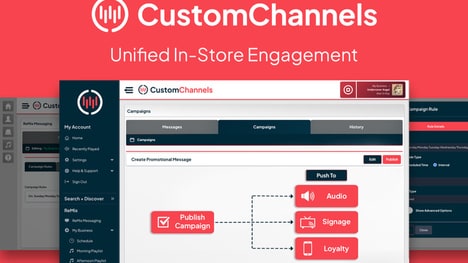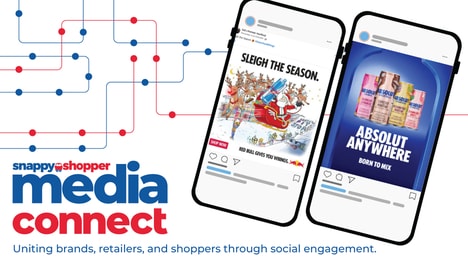

In-store ad networks reflect a shift in how retailers monetize physical spaces by turning stores into dynamic media environments. Platforms like In-Store Marketplace (ISM) enable brands to deliver targeted audio and digital messaging to shoppers in real time, using centralized systems similar to online advertising. By integrating inventory management, campaign activation, and programmatic buying into one platform, retailers can manage in-store media with greater efficiency and precision.
For businesses, this creates a new revenue stream while enhancing brand partnerships and shopper engagement at the point of purchase. Advertisers benefit from reaching consumers in high-intent moments, while retailers gain better control over messaging and performance insights. As adoption grows, competition may focus on how effectively companies integrate digital and physical channels, transforming stores into scalable, data-driven marketing platforms that complement traditional retail operations.
Image Credit: In-Store Marketplace
Why This Trend Is Growing
- In-store Programmatic Audio
- Potential for real-time, targeted audio campaigns driven by shopper context and programmatic bidding that transform ambient soundscapes into measurable ad inventory.
- Dynamic Shelf Messaging
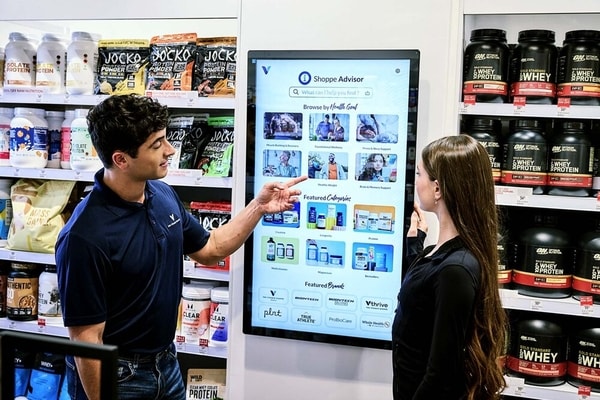
- Emergence of digitally-updated shelf displays enabling hyper-local pricing and contextual promotions tied to inventory levels and shopper behavior.
- Unified Retail Media Platforms
- Consolidation of inventory, campaign activation, and analytics into single platforms that convert physical locations into scalable, addressable ad networks.
Industries Being Reshaped
- Retail Media Platforms
- Platform providers stand to monetize store footprints by offering programmatic APIs, centralized reporting, and cross-location campaign orchestration.
- Consumer Packaged Goods
- Brands access high-intent, in-store audiences with contextual creative and measurement that can reallocate budgets away from traditional OOH and some digital channels.
- Commercial Real Estate
- Landlords and mall operators can reframe leased spaces as dynamic media assets with revenue tied to audience metrics and ad inventory performance.