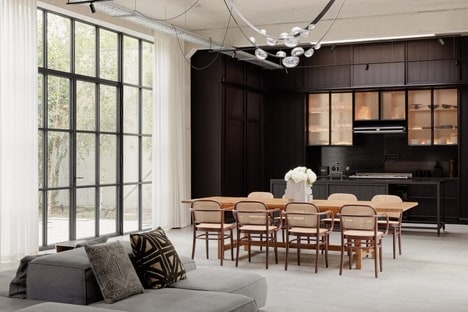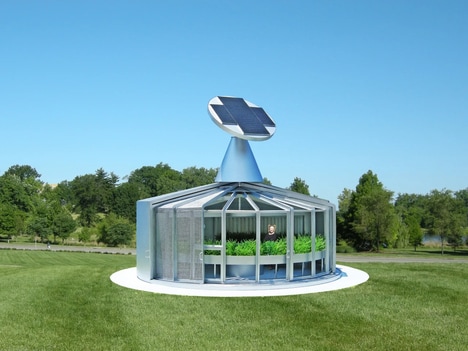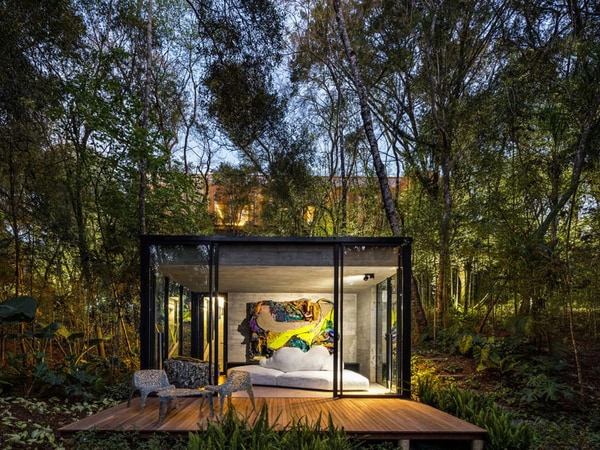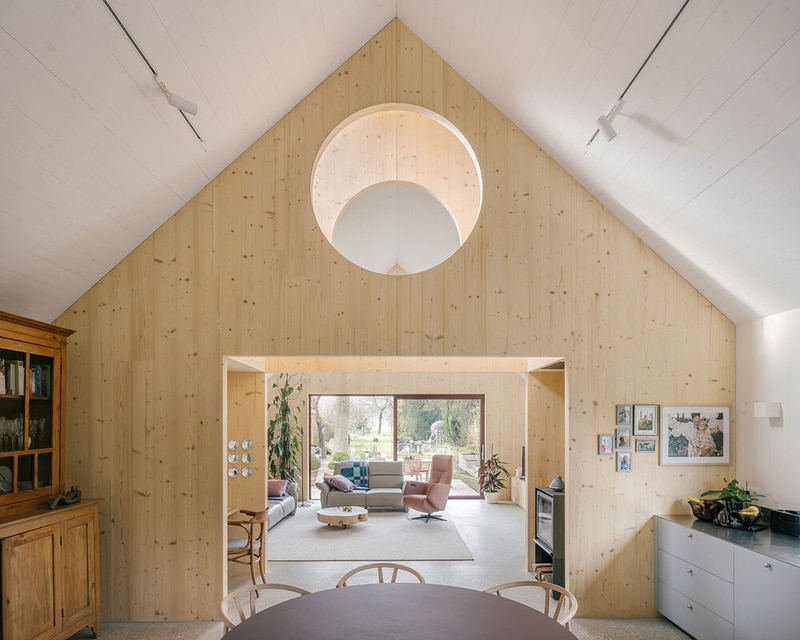
Felt unveiled Home for Life, a residential concept focused on aging-in-place design and long-term accessibility. Created for the Australian Interior Design Awards exhibition, the project incorporates adaptable layouts, wheelchair-friendly circulation, lowered storage areas, and integrated support features across the home. Felt designed the space to prioritize independence and comfort through flexible interiors, textured finishes, and unobtrusive accessibility elements. The project includes soft lighting, rounded furniture edges, and custom joinery intended to support changing mobility needs over time.
The interior combines muted tones, tactile materials, timber surfaces, and modular furniture systems throughout the living spaces. Felt said the project was informed by conversations around dignity, aging, and long-term residential usability. Rooms were arranged to reduce physical strain while maintaining a residential atmosphere rather than a clinical environment.
Image Credit: FELT
Why This Trend Is Growing
- Aging-in-place Design
- Homes are being reimagined to support decades-long independence through unobtrusive accessibility and dignity-preserving layouts that replace institutional features with residential aesthetics.
- Adaptive Modular Interiors
- Flexible joinery and modular furniture systems enable reconfiguration for evolving mobility needs, allowing living spaces to transform without major renovation.
- Tactile and Low-impact Finishes
- Material choices emphasizing texture, rounded forms, and soft lighting are prioritizing sensory comfort and safety while concealing assistive functionality within everyday surfaces.
Industries Being Reshaped
- Residential Architecture
- Design practices focused on long-term usability are opening opportunities for architects to integrate seamless accessibility standards into mainstream housing typologies.
- Furniture Manufacturing
- Producers of custom joinery and modular systems are positioned to deliver products that adapt to changing mobility profiles and aesthetic preferences over time.
- Smart Home Systems
- Connected sensors and lighting platforms can be paired with thoughtful interior design to provide discreet, predictive support for aging residents without compromising home-like environments.