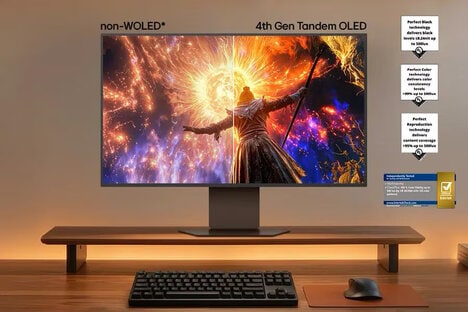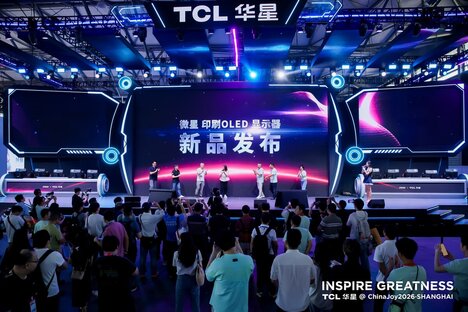
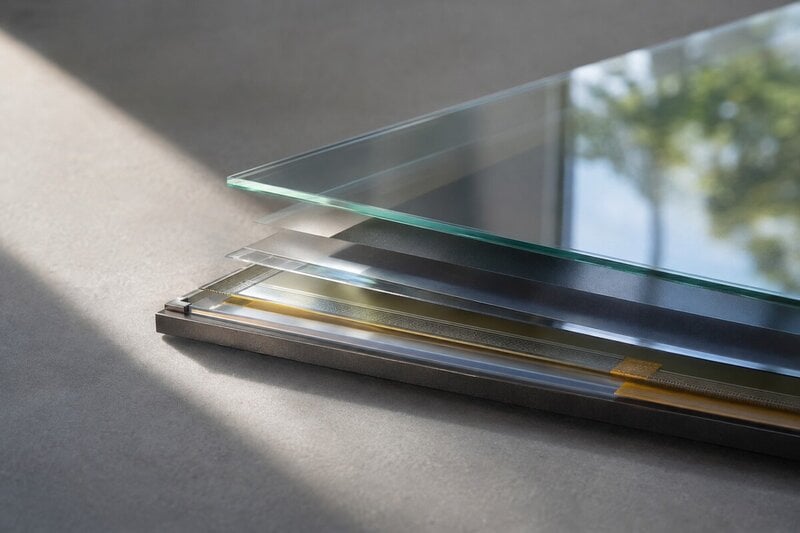
TCL CSOT is developing a new OLED screen that could make high-speed gaming monitors sharper and easier to maintain. The 27-inch prototype has a 1440p resolution and a 500Hz refresh rate, meaning it can display up to 500 frames per second for smoother-looking gameplay.
One of its key features is a system that helps prevent burn-in, which can happen when OLED pixels wear down unevenly over time. Rather than needing to pause occasionally to refresh the screen, the display makes these adjustments while it's being used, helping keep the picture consistent without interrupting play.
TCL CSOT is also using a different manufacturing process that wastes less material than traditional OLED production methods. This could eventually help bring down the cost of making these screens, although there is no confirmed release date or pricing yet. If the technology makes it into commercial monitors, it could make high-refresh-rate OLED displays more accessible to gamers.
Image Credit: AI-generated
Why This Trend Is Growing
- Ultra-fast OLED Gaming
- Higher refresh rates combined with OLED contrast are reshaping premium gaming displays around smoother motion, sharper responsiveness, and more immersive competitive play.
- Real-time Burn-in Prevention
- Continuous pixel maintenance creates room for longer-lasting OLED products that preserve image quality without interrupting high-use entertainment or productivity sessions.
- Low-waste Display Manufacturing
- Material-efficient OLED production methods signal a path toward lower-cost advanced panels and broader access to premium screen technologies.
Industries Being Reshaped
- Gaming Hardware
- Competitive gaming peripherals and monitors are becoming differentiated by speed, durability, and visual fidelity as players seek measurable performance advantages.
- Consumer Electronics
- Premium display improvements are expanding opportunities for televisions, laptops, and desktop monitors that balance cinematic quality with everyday reliability.
- Semiconductor Manufacturing
- New panel fabrication processes are influencing component supply chains by reducing waste, improving scalability, and supporting more affordable high-performance display production.