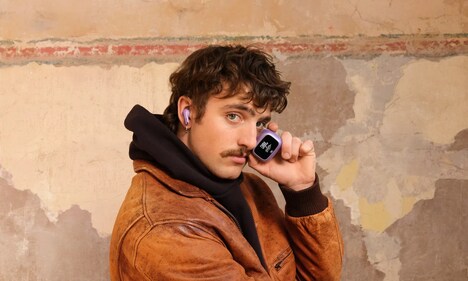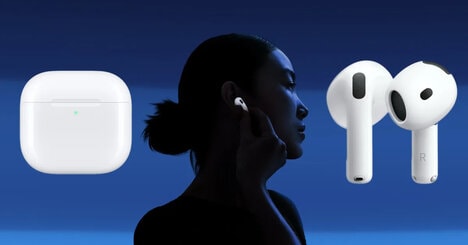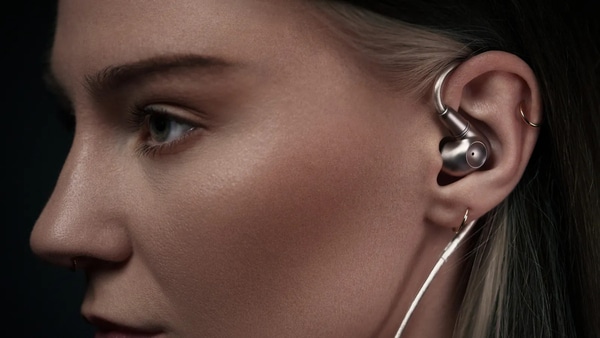
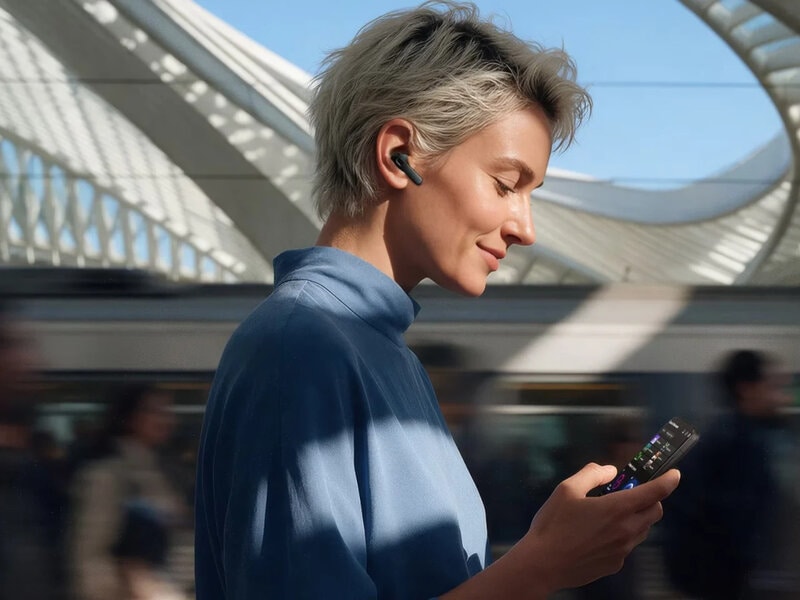
Motorola’s new Moto Buds Ultra 27 let users answer or reject phone calls with a simple head movement, offering a hands-free alternative to tapping their earbuds. Once enabled in the Moto Buds app, a nod accepts a call while shaking your head turns it down. The stem-style earbuds also have small wing-shaped supports to help keep them securely in place.
Battery life lasts up to eight hours on a single charge, with another 37 hours available through the charging case. The earbuds also support AI Live Translate, which plays translated speech through the buds. However, this feature requires a compatible Motorola phone, with language and regional availability varying.
The Moto Buds Ultra 27 are expected to reach the US in the coming months. Known as the Moto Buds 2 Ultra in some markets, they offer a few features that work best within Motorola’s own phone ecosystem.
Image Credit: Motorola
Why This Trend Is Growing
- Gesture-controlled Audio
- Head movements are expanding earbud interfaces beyond touch controls, creating room for more intuitive, accessibility-friendly wearable interactions.
- Ecosystem-locked Features
- Brand-specific AI and translation tools are making earbuds more valuable inside connected device ecosystems, while differentiating hardware through software exclusivity.
- Real-time Wearable Translation
- In-ear language translation is turning wireless earbuds into communication tools, opening possibilities for travel, customer service, and cross-border collaboration.
Industries Being Reshaped
- Consumer Electronics
- Wireless audio brands are integrating sensors, AI, and ergonomic hardware to compete on convenience rather than sound quality alone.
- Mobile Telecommunications
- Phone makers are using companion accessories to strengthen customer retention and build tighter links between smartphones, apps, and peripherals.
- Travel Technology
- Live translation through earbuds is reshaping traveler assistance by making multilingual communication more seamless in airports, hotels, and local experiences.