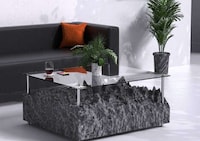
A lover of loosely organic design can still appreciate pieces of a more industrial persuasion. The Glacier End Table makes a powerful case.
From Gus* Modern, designer David Podsiadlo took formal inspiration from the monumental and majestic polar ice caps of northern Canada. A simplification of the shape to a beveled rectangular prism, the result is a minimalist block of metal with slightly sloping faces and a lengthy notch that's splintered out from one corner.
To mimic the aesthetic effect of frozen geographical features, the Glacier End Table exudes a diffusely reflective surface. Stainless steel of 16 gauge was used to sculpt the contemporary furnishing, boasting a constitution of 60% recycled material with additional respects paid to the planet.
What's Driving This Trend
- Organic Industrial Design
- The Glacier End Table combines the natural and industrial design elements, paving the way for organic industrial design trends in furniture.
- Minimalist Furniture
- The beveled rectangular prism shape of the Glacier End Table represents a minimalist design trend in furniture.
- Sustainable Materials
- The use of 60% recycled stainless steel in the Glacier End Table highlights the trend of using sustainable materials in furniture manufacturing.
Who This Affects Most
- Furniture Manufacturing
- The Glacier End Table showcases design innovations that can disrupt the furniture manufacturing industry by incorporating organic and minimalist elements.
- Interior Design
- The organic industrial design trend seen in the Glacier End Table opens up opportunities for interior designers to create unique and modern spaces.
- Sustainability
- The use of recycled materials in the Glacier End Table presents disruptive innovation opportunities for the sustainability industry in promoting eco-friendly furniture solutions.