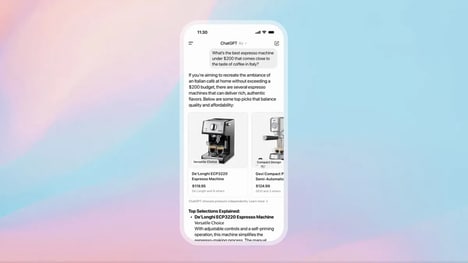
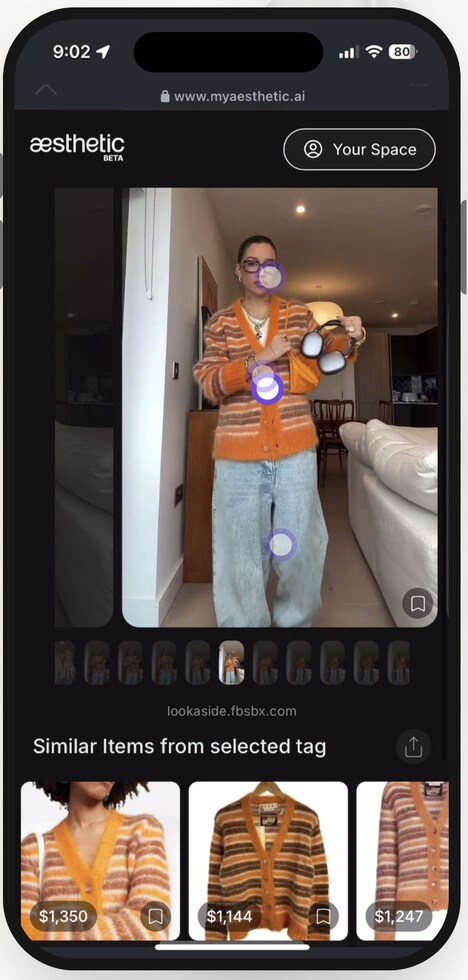
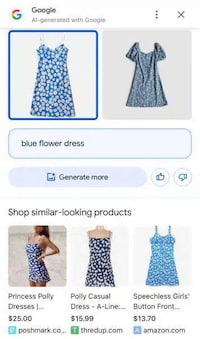
Amazon reworked Generative adversarial networks to improve clothing searches to better match product descriptions. Generative adversarial networks were initially created in 2014 to produce synthetic images, sing two networks. One network produces fake images, and one that attempts to find fakes, and these two networks compete against each other. However, Amazon was able to give the system the ability to keep old features and adding new ones simultaneously. Amazon was also able to prioritize images with color features more similar to the description.
The new system was able to increase item classification by approximately 22%, the color was improved by 100%, and gender was up by 22%. Overall the new findings could eventually be integrated into Amazon's e-commerce search engine.
Image Credit: Shutterstock
What's Driving This Trend
- AI-integrated E-commerce Searches
- The use of generative adversarial networks in e-commerce search engines can enhance item classification, color, and gender accuracy.
- Improved Product Descriptions with AI
- AI can help produce more accurate product descriptions, leading to better search results for consumers.
- Personalized E-commerce Experiences with AI
- AI algorithms can be used to personalize e-commerce experiences, showcasing products to individual consumers based on their preferences and interests.
Who This Affects Most
- Retail
- The retail industry can use AI-integrated search engines and personalized experiences to improve conversion rates and enhance customer satisfaction.
- Technology
- The technology industry can develop AI algorithms and software to improve e-commerce search engines and provide better shopping experiences for users.
- Marketing
- The marketing industry can use AI-generated product descriptions and targeted ads to improve product visibility and increase sales for e-commerce retailers.