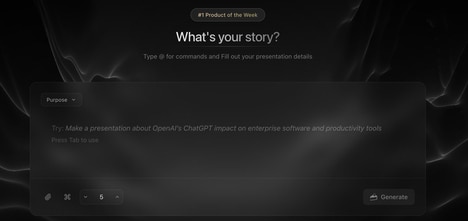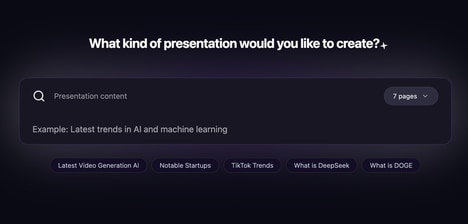
Gamma 2.0 is an AI-powered platform designed to simplify how individuals and teams create and share presentations, documents, and briefs. Positioned as an alternative to traditional slide deck software, the tool enables users to build visual content directly in a web browser without installing additional applications.
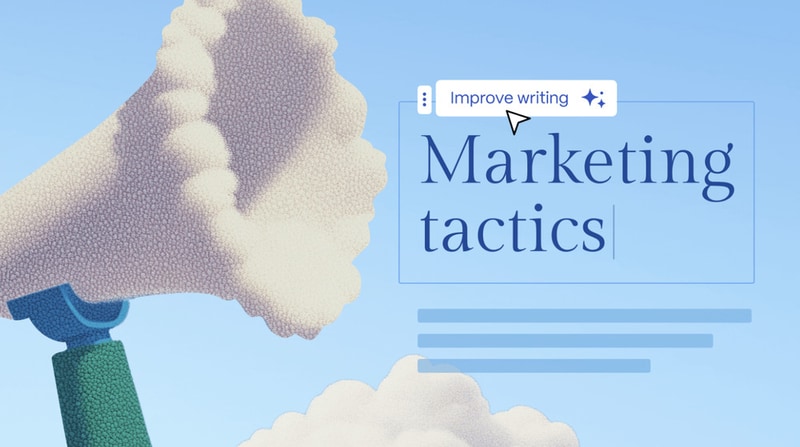
The platform uses artificial intelligence to help structure ideas, generate layouts, and format information into interactive, visually organized pages. This approach aims to reduce the time typically spent designing slides or formatting documents. Content created in Gamma can be presented live or shared asynchronously, making it suitable for remote collaboration and distributed teams.
From a business perspective, the tool reflects a growing trend toward flexible communication formats that blend elements of presentations, reports, and memos. By combining these formats in a single interface, Gamma aims to streamline workflows and improve how ideas are presented and discussed.
Image Credit: Gamma 2.0
Why This Trend Is Growing
- AI-generated Visual Narratives
- Automated layout and content synthesis creates room for platforms that convert raw ideas into coherent, multimedia-rich narratives without manual design work.
- Integrated Asynchronous Collaboration
- Remote teams gaining unified spaces for live and asynchronous presentation sharing open possibilities for rethinking meeting cadence and decision handoff mechanisms.
- Format-agnostic Content Tools
- Blending presentations, reports, and briefs into a single editable canvas enables new product models that treat communication artifacts as fluid rather than fixed document types.
Industries Being Reshaped
- Enterprise Communications
- Centralizing message design and distribution can disrupt internal comms by enabling data-driven, visually consistent storytelling across large organizations.
- Education and E-learning
- Adaptive presentation interfaces that auto-structure lessons and assessments have potential to transform course creation workflows and student engagement formats.
- Marketing and Creative Agencies
- On-demand AI assembly of campaign decks and client briefs could shift agency delivery models toward faster iteration and commoditized creative asset preparation.