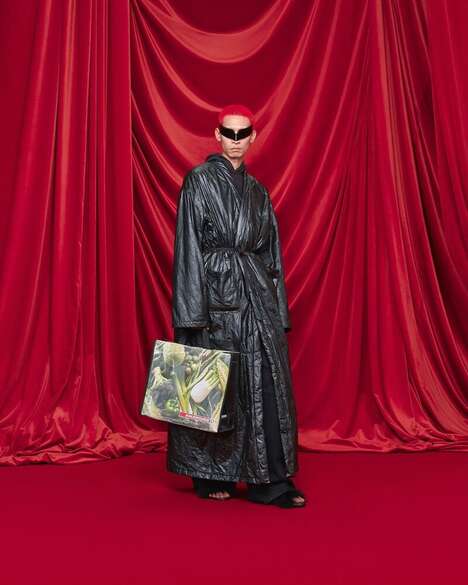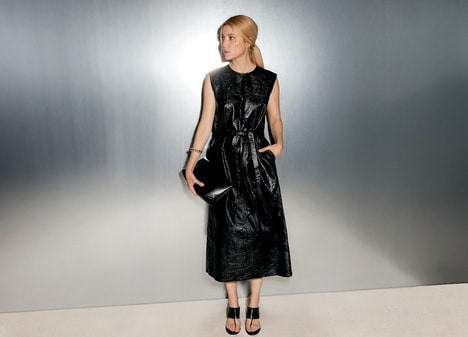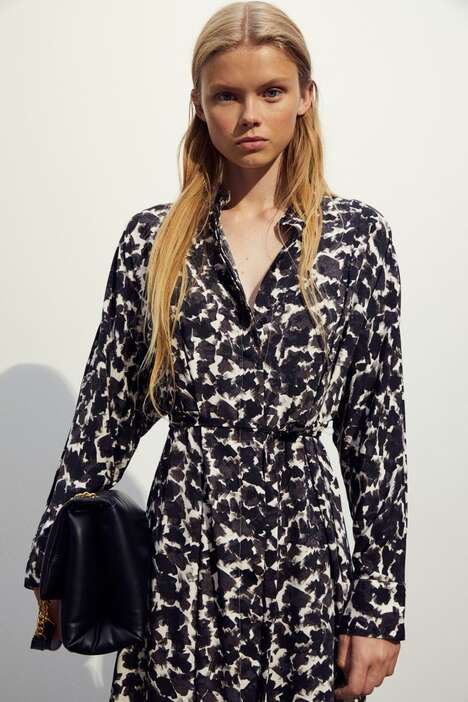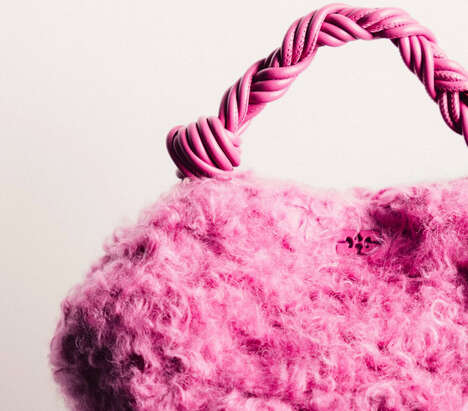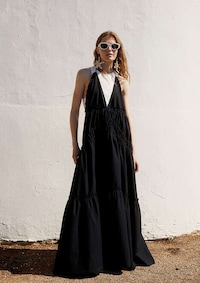


The first release from H&M's Innovation Stories series is the Science Story collection and it plays with plenty of eco-friendly materials that represent the future of sustainable fashion. One of the most standout pieces from the collection is a dress with bold seams, cut-out details and a prominently placed patch that details that the product is made from a bio-based Nylon that comes from castor oil. This material, in fact, is EVO by Fulgar, which takes the form of a bio-based yarn that's created with castor oil seeds.
The innovative Science Story collection also explores the use of materials like plant-based leather alternatives, ECONYL (a fully regenerated nylon made with ocean waste like discarded fishing nets) and other technologies like Agraloop and Texloop Rcot.
Key Themes Behind This Trend
- Bio-based Yarn
- The use of innovative bio-based yarns in clothing introduces opportunities for sustainable and eco-friendly fashion.
- Sustainable Fashion
- The trend towards sustainable fashion has led to the exploration and development of new materials and technologies for the industry.
- Circular Economy
- The use of materials like ECONYL and Agraloop promote a circular economy by utilizing waste materials in the production process.
Where This Applies
- Fashion
- The fashion industry can incorporate new eco-friendly materials into their products to meet the increasing demand for sustainability from consumers.
- Textile
- The textile industry can explore and invest in the development of bio-based yarns to promote sustainable and renewable materials in clothing production.
- Manufacturing
- Manufacturers can adopt circular economy practices in their production processes to reduce waste and minimize environmental impact.