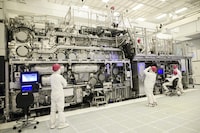
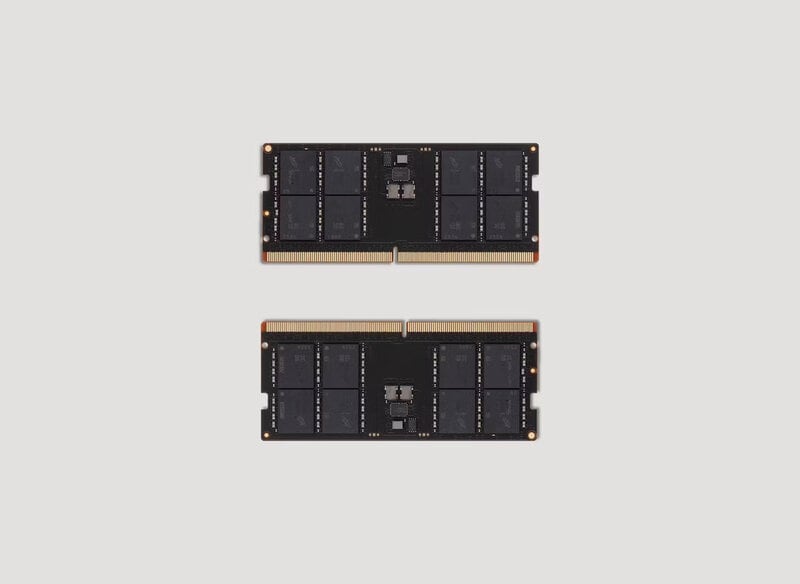
Framework has announced price increases across several components due to volatility in the global silicon and memory market. According to the company, rising demand for high bandwidth memory driven by AI infrastructure has constrained supply for consumer grade DRAM and SSDs. This has led to higher contract pricing from suppliers and reduced availability of modules used in laptops and upgrade kits. Framework noted that it had attempted to absorb cost fluctuations but could not continue doing so as market conditions tightened. The company emphasized that the adjustments are a direct response to upstream silicon shortages rather than changes in its own manufacturing or distribution processes. These dynamics align with broader trends in the memory market where supply constraints are affecting PC manufacturers and component vendors.
The company also highlighted that pricing may continue to shift as memory suppliers rebalance production toward AI related workloads. Framework stated that it is monitoring wafer allocation, fabrication output, and contract pricing to determine how future batches of DDR and SSD modules will be affected. The update advises customers that while some inventory remains stable, other components may see periodic increases until supply conditions improve. This reflects a wider industry pattern in which device makers are adjusting costs to account for elevated memory pricing and unpredictable procurement cycles. Framework’s communication underscores the importance of transparency in the upgradeable laptop market and illustrates how silicon shortages influence both modular hardware ecosystems and consumer purchasing strategies.
Image Credit: Framework
Why This Trend Is Growing
- AI-driven Memory Scarcity
- Surging demand for high bandwidth memory in AI infrastructure is reshaping component availability and creating space for alternative memory architectures, allocation platforms, and supply forecasting tools.
- Dynamic Component Pricing
- Volatile contract costs for DRAM and SSD modules are normalizing frequent hardware price adjustments, opening opportunities for real-time pricing intelligence and procurement risk analytics.
- Transparent Modular Hardware
- Upgradeable device brands are using clearer supply-chain communication to maintain customer trust, highlighting potential for transparency-focused services in repairable and modular electronics ecosystems.
Industries Being Reshaped
- Consumer Electronics
- PC and laptop makers face rising input costs from constrained memory supply, creating market potential for differentiated pricing models and resilient component sourcing strategies.
- Semiconductors
- Wafer allocation shifts toward AI workloads are disrupting traditional memory supply patterns and increasing demand for smarter fabrication planning and production balancing solutions.
- Computer Hardware
- Component vendors and upgrade kit providers are exposed to unpredictable procurement cycles, making inventory visibility and flexible supplier networks increasingly valuable in the hardware market.