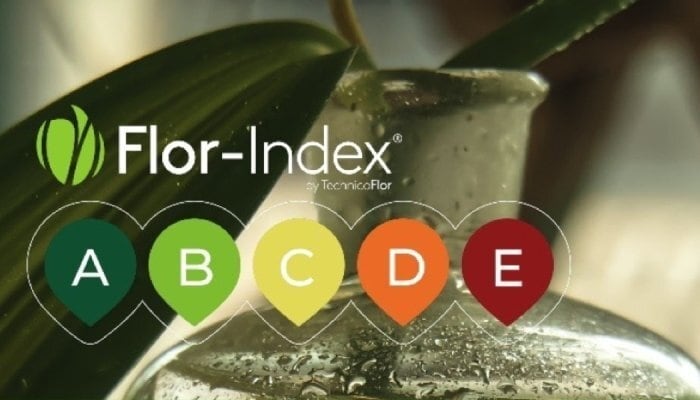
TechnicoFlor launched FlorIndex 2.0, an upgraded eco-score for perfume formulas designed to give fragrance creators a more complete environmental assessment, featuring eight new indicators and refreshed databases. The updated tool now measures climate impact via carbon footprint using the Global ScenTrack methodology and increases scrutiny of biodiversity risks, including deforestation and endangered species protection.
FlorIndex 2.0 also raises attention to chronic toxicity concerns with specific focus on potential endocrine disruptors and aggregates 46 indicators drawn from more than 70,000 supplier data points gathered in collaboration with partners. The score reports results across the five stages of the fragrance development cycle and remains validated by AFNOR Certification.
For brands and perfumers, the enhanced index offers clearer, stage-specific transparency that supports eco-design decisions and consumer-facing sustainability claims, aligning fragrance R&D with rising demand for measurable environmental accountability.
Image Credit: TechnicoFlor
What Makes This Trend Stand Out
- Comprehensive Eco-scoring
- An expanded multi-indicator eco-score creates opportunities for new software and analytics offerings that synthesize lifecycle, carbon and supplier data into unified sustainability metrics.
- Biodiversity Risk Assessment
- Heightened focus on deforestation and endangered species in sourcing invites development of traceability and land-use intelligence tools tied to ingredient provenance.
- Chronic Toxicity Transparency
- Increased scrutiny of endocrine disruptors and chronic toxicity opens pathways for alternative ingredient R&D and predictive toxicology platforms to reduce regulatory and reputational risk.
Sectors Adopting This
- Fragrance and Cosmetics
- Brands and formulators face demand for products validated by rigorous eco-scores, prompting shifts toward ingredient substitutions and reformulation strategies centered on measurable sustainability.
- Supply Chain Data Platforms
- Aggregating more than 70,000 supplier data points highlights a market for interoperable data marketplaces and verification services that enhance supplier-level environmental visibility.
- Certification and Testing Labs
- The role of validated eco-scores presents growth potential for labs offering standardized carbon footprinting, biodiversity audits and chronic toxicity testing aligned with recognized methodologies.