'First Internet Bank' recently launched a new security feature that requires users to undergo an eye scan in order to log into their account. In recent years, many companies have turned to biometrics to help protect consumers from identity theft. While some companies rely on fingerprint-based authentication, this bank uses eyeprints.
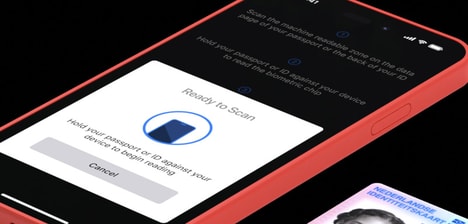
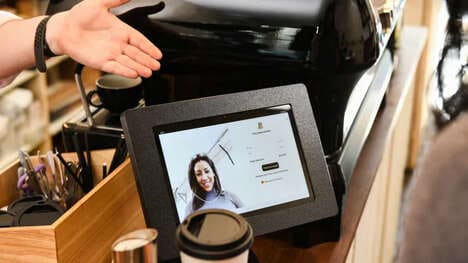
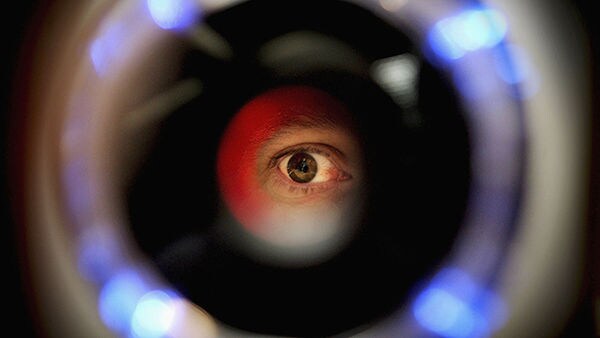
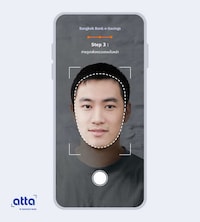
The system works by using the camera feature of a user's smartphone. The 'Eyeprint ID' system will then take a photo of the user's face in order to identify their eye vein pattern. The eye scan can be used instead of a password, meaning the user does not have to supply any additional information in order to access their account. The idea behind the new technology is to make it faster, easier and safer for consumers to use online banking services. As CEO David Becker explains, "biometric technology allows us to provide innovative solutions to our customers’ need for secure, convenient account access."
The Eyeprint ID system demonstrates one of the unique ways that banks are using biometric technology to protect consumers from fraud.
What Makes This Trend Stand Out
- Eyeprint Biometric Technology
- Eyeprints are being used as a secure and convenient way to access online banking services.
- Mobile Biometric Authentication
- Biometrics are being implemented in mobile devices to provide a safer way for customers to authenticate their identity.
- Innovative Security Solutions
- New biometric technology is creating innovative solutions for secure online banking services.
Sectors Adopting This
- Finance
- Biometric technology is rapidly being implemented into finance as a way to secure customer accounts.
- Technology
- Mobile biometrics is a developing technology that is being used to provide safer authentication for customers.
- Security
- The integration of biometric technology is transforming the security industry by providing innovative and secure solutions.