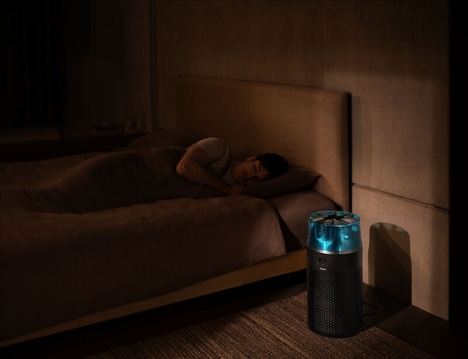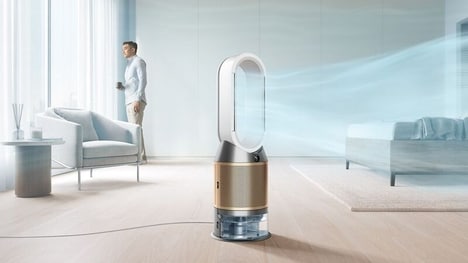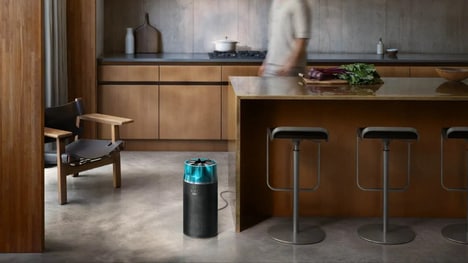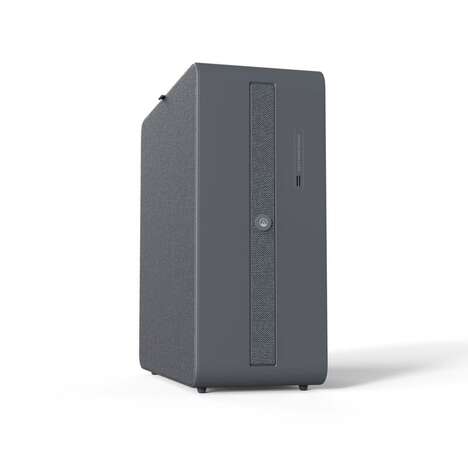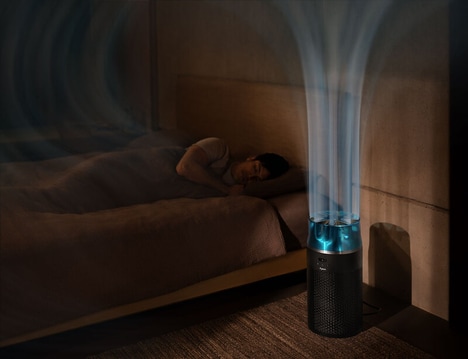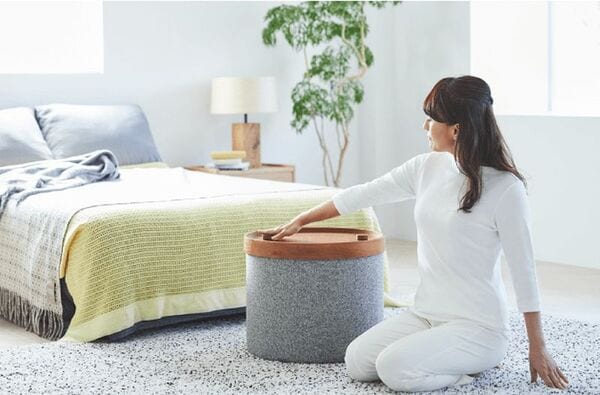
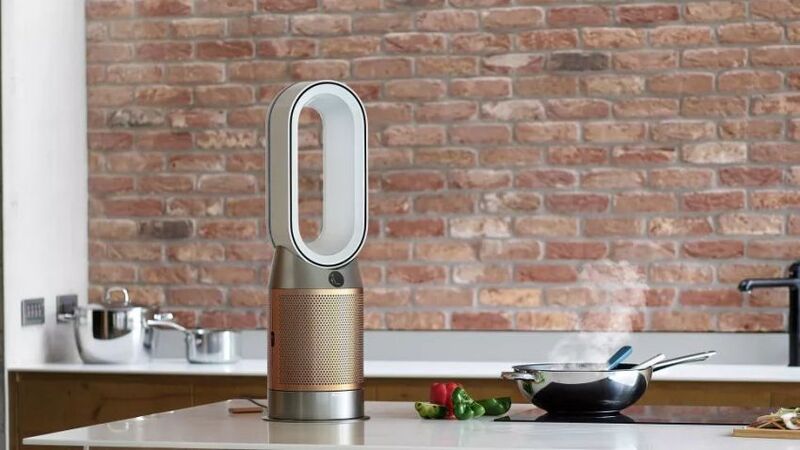
The increased amount of time that many consumers have spent inside their home over the past year has seen many seeking out ways to make the space healthier, which the new Dyson Purifier Formaldehyde aims to enable. The air purifier makes use of an electrochemical cell that will monitor formaldehyde levels in the environment to remove it along with a range of other indoor pollutants. The system makes use of a sealed HEPA 13 filter that will ensure all air captured by the unit will pass through it to prevent leaks.
The Dyson Purifier Formaldehyde is reported to be 20% quieter than the brand's previous generation air purifiers and is expected to be available for purchase in Australia starting May 27, 2021.
Image Credit: Dyson
Why This Trend Is Growing
- Formaldehyde-free Products
- Manufacturers across industries could create an opportunity by eliminating formaldehyde from products due to concerns over health and air quality.
- Electrochemical Sensor Technology
- Electronics innovators and air quality companies can leverage advancements in electrochemical sensor technology to develop more comprehensive air quality monitoring systems.
- HEPA 13 Filter Innovation
- Filter manufacturers can invest in research and development to improve on HEPA 13 filter technology, particularly for air purifiers, to capture a wider range of pollutants.
Industries Being Reshaped
- Air Purifier Manufacturers
- Companies specializing in air purifiers can invest in research and development to improve on electrochemical sensor technology to differentiate themselves in the market.
- Furniture Manufacturers
- Furniture manufacturers can create disruptive products by eliminating formaldehyde from wood-based products such as particleboard and plywood, tapping into the demand for safer, healthier home environments.
- Home Builders and Remodelers
- Builders and remodelers can offer homes that are certified as formaldehyde-free, providing a competitive advantage in the real estate market and appeal to health-conscious consumers.