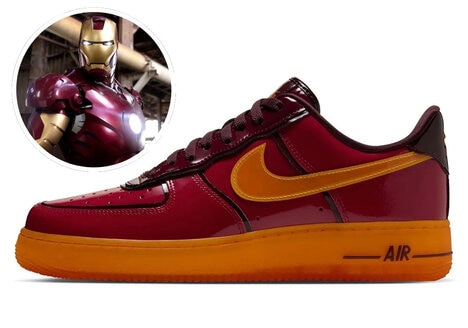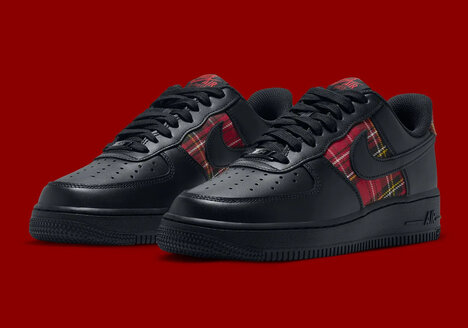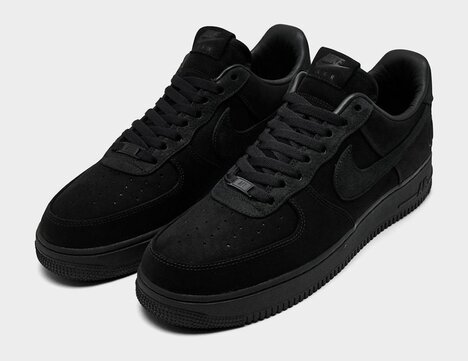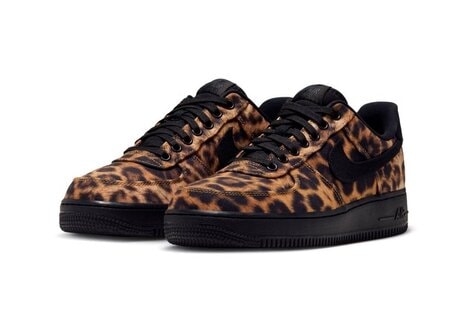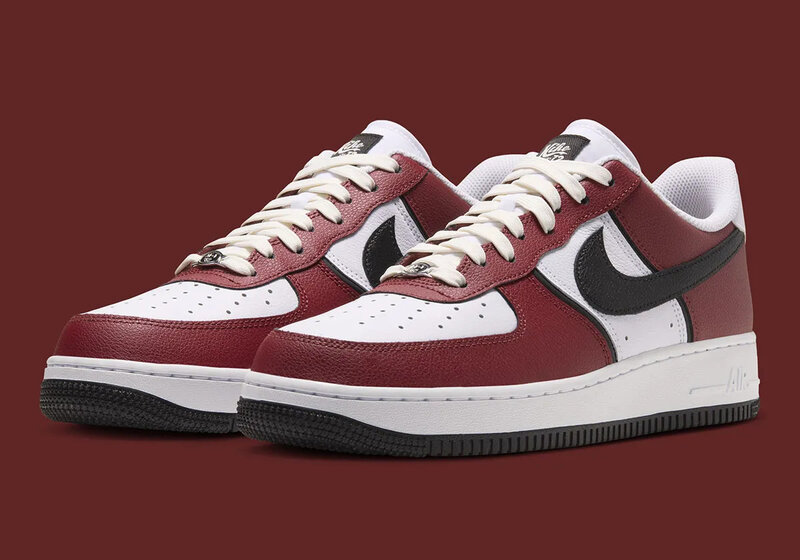
Nike reworked the ‘Air Force 1 Low’ with a diamond backtab that replaces the usual heel branding, giving the familiar sneaker a sharper graphic detail. The ‘Dark Team Red’ colorway keeps the look grounded, while Nike adds black piping and a retro oval lace dubrae to round out the upper.
‘Dark Team Red’ pebbled leather covers the overlays, and the tailored quarter panel adds more depth to the side profile. Those touches give the shoe a more layered finish without moving away from the Air Force 1’s classic low-top shape.
The pair will release through Nike and select retailers. Nike shows how small design changes can create a fresh $125 buy for Air Force 1 fans through subtle branding shifts rather than a full redesign, keeping the model easy to recognize but new enough to stand apart.
Image Credit: sneakernews.com
Why This Trend Is Growing
- Subtle Sneaker Refreshes
- Incremental design updates on iconic silhouettes create collectible appeal while preserving the familiarity that drives repeat purchases.
- Graphic Heel Branding
- Small rear-facing visual details offer brands a low-cost way to differentiate products in a market where side-profile recognition is already saturated.
- Accessible Premium Details
- Refined materials, textured leather, and accent hardware bring elevated cues to mid-priced footwear without requiring luxury-level pricing.
Industries Being Reshaped
- Athletic Footwear
- Heritage sneaker lines can sustain demand through modular styling changes that extend product lifecycles and reduce reliance on full redesigns.
- Streetwear Fashion
- Recognizable staples with nuanced updates support drop-driven merchandising strategies that appeal to consumers seeking novelty within established aesthetics.
- Retail Apparel
- Selective releases and small visual exclusives give retailers differentiated inventory that can increase urgency around otherwise familiar products.