
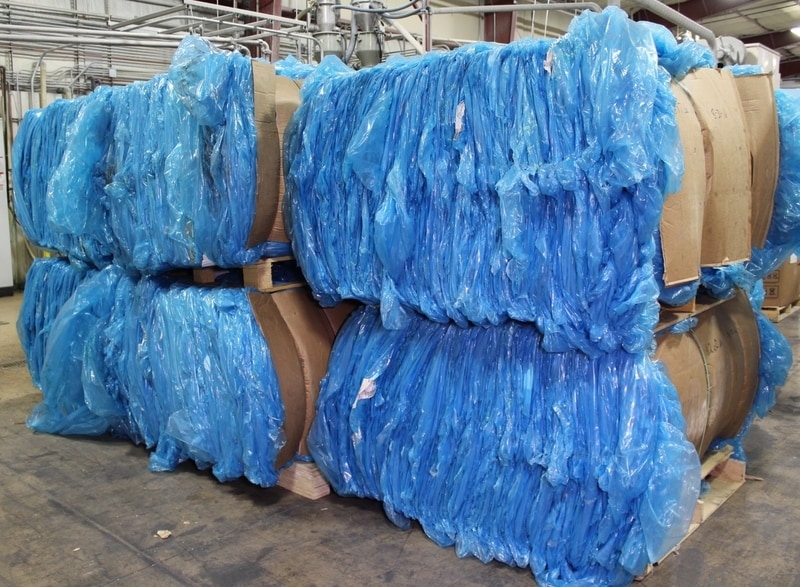
Cortec launches an updated version of its 'VpCI-126' corrosion-inhibiting bags, featuring a minimum of 20% recycled content in the film. The change was rolled out by Cortec as a materials update to help packaging suppliers and industrial end users meet tighter recycled-content mandates.
The bags retain VpCI (Vapor phase Corrosion Inhibitor) technology, which releases protective molecules to prevent metal corrosion, while the film now incorporates post-consumer and post-industrial recycled resins. Cortec described the move as a formulation shift rather than a redesign, keeping existing sizes and protective performance intact.
For buyers, the VpCI-126 update reduces the carbon and material footprint of protective packaging while aiding regulatory compliance and sustainability reporting. The adjustment reflects a broader trend of converting functional industrial films to include verified recycled content without altering product utility.
Image Credit: eaw
What Makes This Trend Stand Out
- Recycled-content Functional Films
- Incorporation of post-consumer and post-industrial resins into performance films creates measurable reductions in product carbon footprints while maintaining protective functionality.
- Corrosion-inhibiting Packaging
- Vapor-phase inhibitor integration in packaging extends metal shelf-life during transport and storage, shifting value from commodity film to active protective solutions.
- Compliance-driven Material Reformulation
- Tighter recycled-content mandates are prompting material suppliers to reformulate existing products rather than redesign, enabling quicker market adoption.
Sectors Adopting This
- Industrial Packaging Suppliers
- Suppliers of protective films and bags face opportunities to differentiate via verified recycled-content claims alongside retained technical performance.
- Metal Fabrication and Supply Chain
- Manufacturers and distributors of metal components benefit from reduced corrosion risk during logistics, influencing inventory turnover and warranty exposure.
- Sustainability Certification and Testing
- Third-party verification and recycled-content auditing services become more essential as companies need documented compliance and lifecycle data.