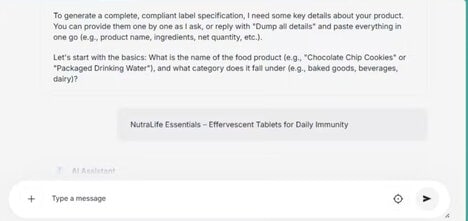

Truli is turning compliance checks into a live, always-on workflow for food and supplement teams, helping them catch issues before they spread from formulation through packaging. The AI-native platform from Truli scans product data and flags conflicts across ingredients, claims, marketing, and labels.
Its review engine compares submissions against FDA rules and state requirements, then points to the regulation behind each flag and suggests a fix. That matters because a single ingredient change can ripple into a nutrition panel, a package statement, and a website claim, all before a product ships.
For brands, this means compliance can move upstream rather than becoming a last-minute scramble. It also gives product teams a shared view of the same file, which should make portfolio-wide updates easier to coordinate when rules shift.
Image Credit: Truli
Why This Trend Is Growing
- AI-native Compliance Workflows
- Always-on review systems create room for regulatory oversight to become embedded across product development rather than isolated at final approval.
- Rule-linked Explainability
- Platforms that connect every compliance flag to its underlying regulation bring greater transparency to automated review and reduce uncertainty for cross-functional teams.
- Upstream Risk Detection
- Earlier identification of ingredient, claim, and labeling conflicts opens new value in preventing costly reformulations, packaging changes, and delayed launches.
Industries Being Reshaped
- Food Technology
- AI-powered compliance tools can streamline how food brands manage formulation updates, nutrition disclosures, and label accuracy across expanding product portfolios.
- Dietary Supplements
- Supplement companies face growing scrutiny around claims and ingredients, making automated rule checks a scalable layer for safer product commercialization.
- Regulatory Technology
- Compliance platforms that translate complex rules into actionable product intelligence signal a shift toward proactive, industry-specific regulatory infrastructure.