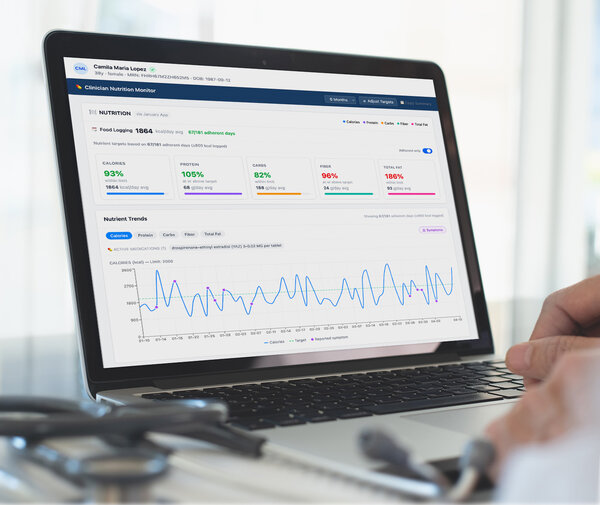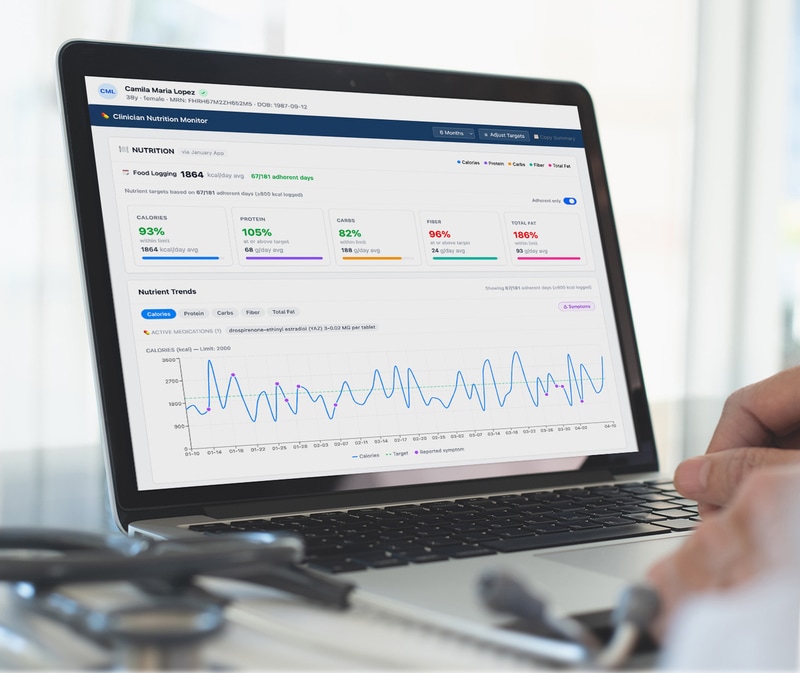
January AI has announced that its Clinician Nutrition Monitor — an EHR-native application powered by the company's artificial intelligence and nutrition platform — has been qualified as a solution on Mayo Clinic Platform. This innovation enables clinicians to access real-world, longitudinal dietary data directly within Epic without requiring additional logins or disrupting established workflows.
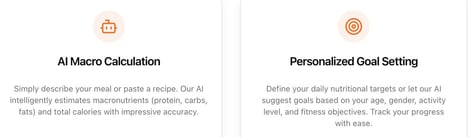
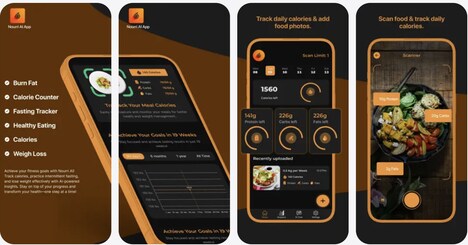
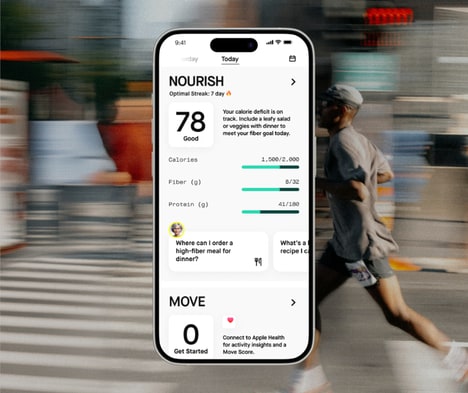
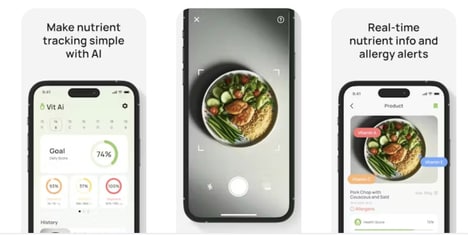
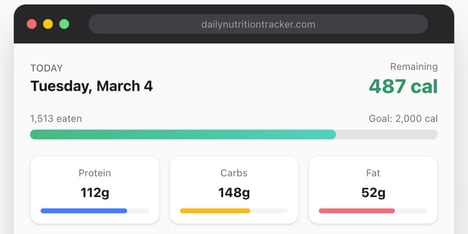
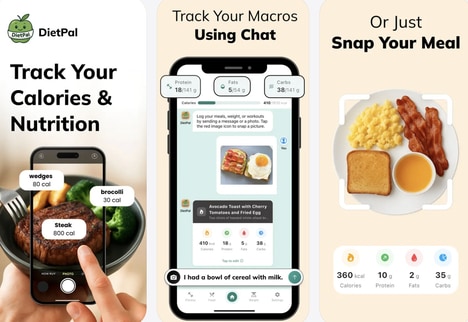
The Clinician Nutrition Monitor allows patients to log their meals through the January AI mobile app using photo recognition, voice input, barcode scanning, or manual search across a database of over 54 million foods, while clinicians simultaneously view aggregated nutrition summaries alongside medications, weight, and body mass index trends. This creates a unified, time-sequenced picture of each patient's dietary behavior between visits.
Image Credit: January AI
Key Themes Behind This Trend
- Ehr-native Nutrition Intelligence
- Embedded dietary insights within clinical records create space for more continuous, context-rich care models that connect everyday food behavior with medical decision-making.
- AI-powered Meal Logging
- Photo, voice, barcode, and search-based food tracking expand the potential for passive nutrition data capture that reduces friction for patients and improves longitudinal visibility.
- Real-world Dietary Data
- Longitudinal nutrition records paired with medications, weight, and BMI trends introduce new possibilities for personalized interventions based on daily behavior rather than episodic self-reporting.
Where This Applies
- Digital Health
- AI-enabled nutrition monitoring strengthens digital health platforms by turning consumer-style tracking tools into clinically relevant infrastructure.
- Healthcare Technology
- Workflow-compatible applications inside Epic highlight a growing market for tools that improve clinician insight without adding operational complexity.
- Clinical Nutrition
- Data-rich nutrition monitoring shifts clinical nutrition toward measurable, ongoing management that can better support chronic disease prevention and treatment.