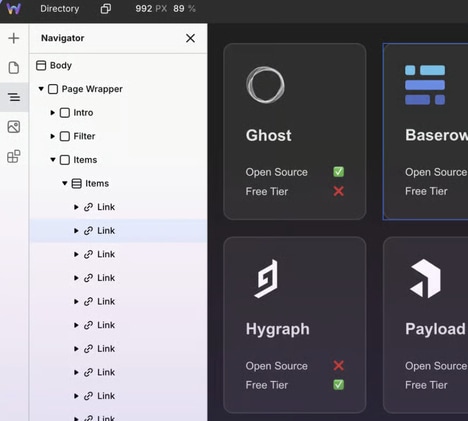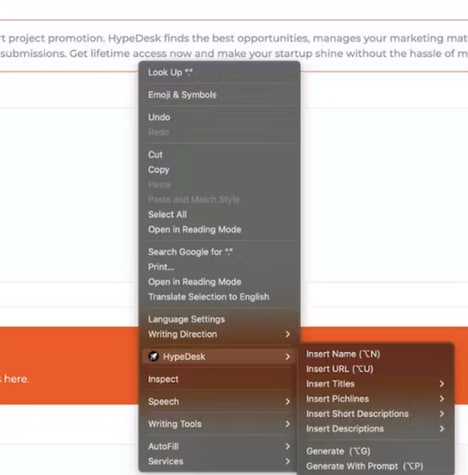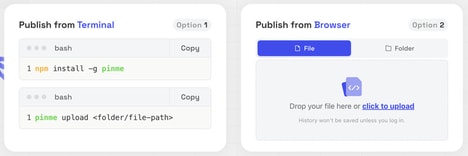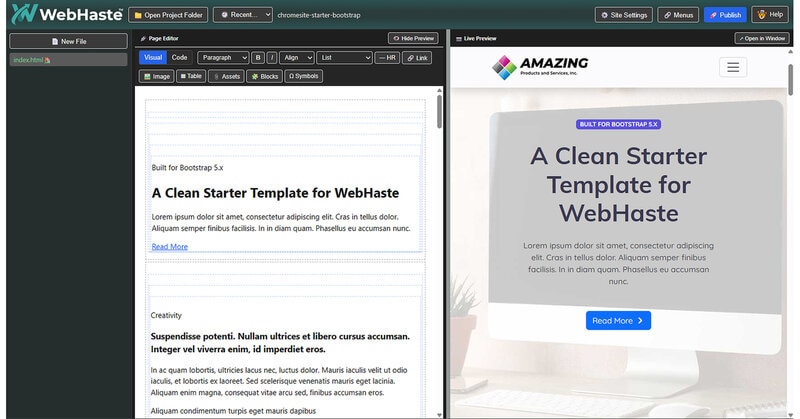
WebHaste is introducing local-first website builders as an alternative to database-driven content management systems that require ongoing server maintenance. Available in public beta as a Chrome extension, the platform stores website files locally while providing visual editing, real-time previews, template rendering and deployment tools. Finished sites can be published through CDN-enabled services including Cloudflare Pages and Netlify. WebHaste also supports file-aware AI agents that can create templates, edit files and manage content without receiving permission to publish changes independently.
For smaller businesses, agencies and website owners, the model can reduce infrastructure tasks involving plugins, servers and databases while maintaining control over site files. Its support for multiple client sites and Git workflows also targets agency use cases. By combining static hosting with AI-assisted editing, WebHaste provides a lightweight option for teams managing informational sites, portfolios, landing pages and smaller blogs.
Image Credit: WebHaste
Key Themes Behind This Trend
- Local-first Web Creation
- Storing website files on local devices shifts control away from hosted CMS platforms while opening space for lightweight tools that reduce maintenance complexity.
- Static Site Automation
- Combining visual editing with CDN-based deployment makes static websites more accessible for smaller teams that need speed, security and simplified operations.
- File-aware AI Editing
- AI agents that understand site files and templates introduce new possibilities for assisted content production without giving automation full publishing authority.
Where This Applies
- Website Development
- Agencies and freelancers gain new service models around faster client site builds, simplified handoffs and reduced reliance on database-heavy infrastructure.
- Content Management Software
- Traditional CMS providers face pressure from tools that separate editing workflows from server maintenance, plugins and database administration.
- Cloud Hosting
- CDN-enabled platforms such as static hosting services become more central as local-first builders make deployment simpler for non-technical users.