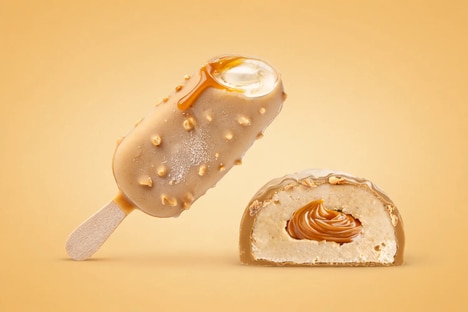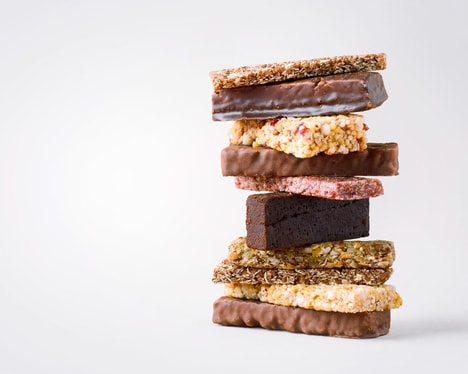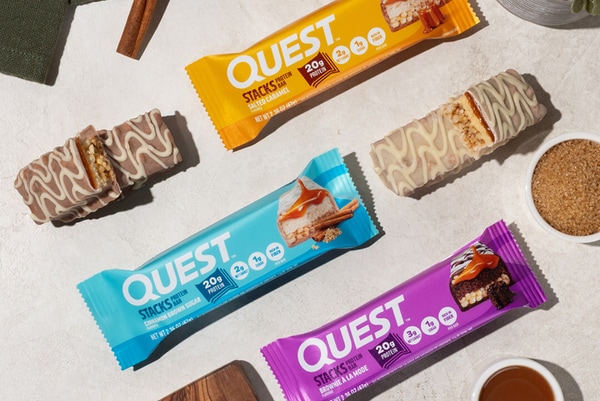
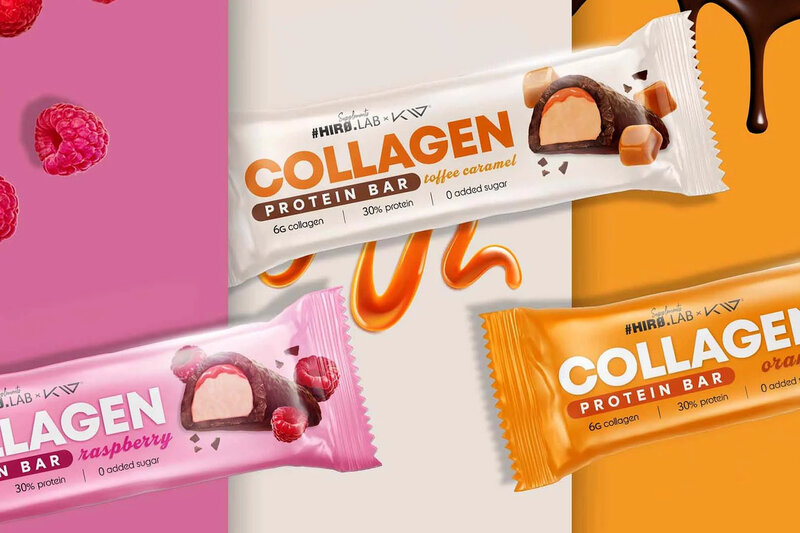
Hiro Lab is expanding its snack range with the 'Hiro Lab x KW Collagen Protein Bar,' a chocolate-coated treat that offers a sweeter way to add collagen alongside everyday protein. Developed with Kamila Wybrańczyk, the bar uses a creamy center to push the format closer to candy than a standard gym snack.
Each bar delivers 15g of protein, with 6g from hydrolyzed bovine collagen. Raspberry and Toffee Caramel push it further into candy-bar territory, so the collagen feels built into a snack rather than a separate supplement step.
For shoppers, that convergence turns a collagen add-on into something easier to buy alongside the rest of a snack routine. A bar that looks and tastes closer to dessert can lower the friction of trying collagen for people who don't want another powder or capsule.
Image Credit: Stack3d
What Makes This Trend Stand Out
- Candy-like Supplements
- Dessert-inspired formats blur the line between functional nutrition and indulgent snacking, creating room for wellness products that feel less clinical and more habitual.
- Collagen Snack Integration
- Collagen’s shift into everyday bars reflects demand for beauty and recovery benefits embedded in familiar food moments rather than standalone supplement routines.
- Celebrity Wellness Collaborations
- Partnerships with recognizable personalities can give functional snacks lifestyle credibility, expanding appeal beyond traditional fitness consumers.
Sectors Adopting This
- Functional Foods
- Hybrid products that combine protein, collagen, and confectionery cues highlight opportunities for nutrition brands to reframe supplements as convenient daily treats.
- Confectionery
- Chocolate-coated wellness bars suggest a path for candy makers to enter better-for-you categories without abandoning flavor-led positioning.
- Beauty Supplements
- Edible collagen formats point to growth in beauty-from-within products that rely on taste, convenience, and snackability to reduce consumer resistance.