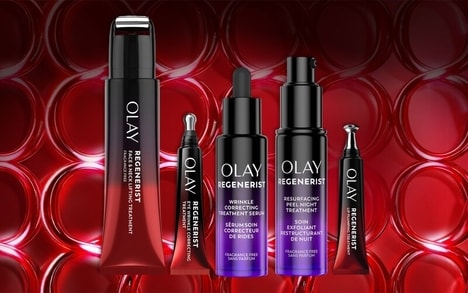
OLAY’s latest research into cell adhesion is introducing a new direction for anti-aging skincare by shifting attention away from collagen and toward how skin cells connect and communicate. By identifying cellular cohesion as a key factor in maintaining firmness, resilience and radiance, the brand is redefining how visible aging is understood and addressed. Its use of peptide technologies and niacinamide to support these pathways reflects a growing focus on biology-driven formulations that target skin at a structural level.
For the beauty industry, this signals new avenues for product development, marketing and differentiation. Brands may begin prioritizing cell-level performance claims and barrier-focused solutions to meet evolving consumer expectations. As shoppers become more informed, there is increasing demand for science-backed skincare that delivers measurable results. This shift could influence competitors to explore similar biological pathways, while also encouraging cross-category collaboration between dermatology research and cosmetic product design.
Image Credit: Olay
Key Themes Behind This Trend
- Cell Adhesion Formulations
- Peptide and niacinamide combinations targeting cellular cohesion promise formulations that shift efficacy claims from collagen restoration to cell-to-cell connectivity metrics.
- Biology-first Marketing
- Science-driven messaging centered on cellular mechanisms may redefine consumer trust by emphasizing measurable biological pathways over traditional ingredient buzzwords.
- Dermatology-cosmetic Convergence
- Closer collaboration between clinical dermatology and cosmetic R&D could produce hybrid products positioned between medical treatments and over-the-counter skincare.
Where This Applies
- Skincare Brands
- Premium and mass-market brands that integrate cell adhesion science into product lines could alter competitive differentiation through novel performance claims.
- Dermatological Research Institutions
- Research centers developing validated biomarkers of cellular cohesion stand to influence regulatory standards and commercial adoption of adhesion-targeted therapies.
- Cosmetic Ingredient Suppliers
- Suppliers formulating standardized adhesion-enhancing actives may disrupt ingredient portfolios by creating new commodity categories tied to cell connectivity benefits.