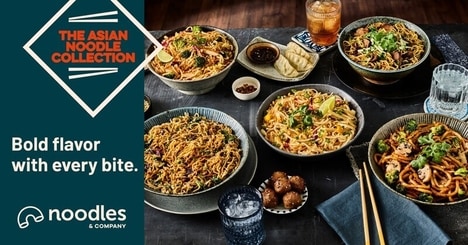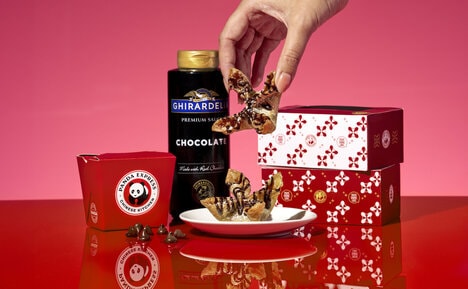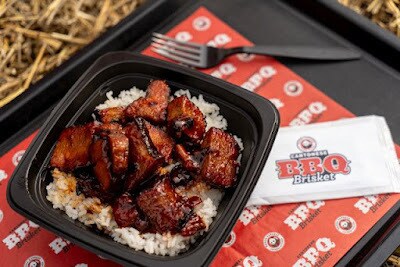
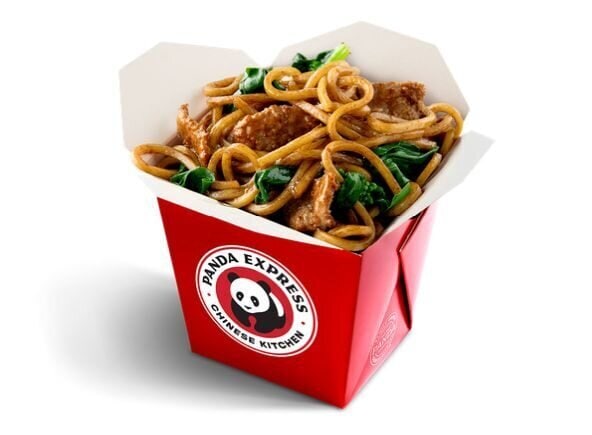
Panda Express is experimenting with a smaller way to serve its noodles with the Shanghai Beef Noodle Box, a new snack-size option packaged in a classic folded takeout carton. Priced at $9.70, it combines beef and noodles in a soy-garlic sauce, offering a lighter alternative to the chain's usual plates and bowls.
For now, the item is only available at Panda Express's Pasadena test kitchen at 3867 E. Foothill Blvd. The carton gives the dish a more casual, portable feel, positioning it as a quick bite for customers who don't necessarily want to order a full meal.
The trial also gives Panda Express a chance to explore smaller, standalone menu items that sit between a snack and a full combo. If the format catches on, the familiar takeout carton could offer a simple way to introduce more boxed options.
Image Credit: Panda Express
What's Driving This Trend
- Snack-size Meals
- Smaller restaurant portions are creating space for flexible dining formats that bridge impulse snacking and full-service meal occasions.
- Portable Carton Packaging
- Classic folded cartons are gaining renewed relevance as brands reframe familiar packaging into convenient, handheld meal formats.
- Test-kitchen Menus
- Limited-location product trials provide quick-service chains with lower-risk pathways to validate new portion sizes, price points, and packaging concepts.
Who This Affects Most
- Quick-service Restaurants
- Compact menu formats introduce fresh revenue potential for chains seeking to serve customers outside traditional lunch and dinner occasions.
- Food Packaging
- Recognizable takeout containers can become differentiated brand assets when adapted for modern portability, portion control, and casual consumption.
- Convenience Dining
- Hybrid snack-meal offerings reflect shifting consumer demand for fast, affordable options that feel more substantial than a side but lighter than a combo.