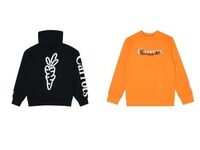
Carrot Clothing hip apparel grew from the protest garb of Seriban, Aleksandar Gligoric in 1999. To voice concerns about freedom in war-torn Serbia, Gligoric started printing unequivocal anti-war messages on t-shirts for his friends and family.
The t-shirts were deemed to be "terrorist" by the government and landed Gligoric in jail. Once released, the anti-war artist joined forces with skateboarders, street artists and others who share his passion. The in-your-face Carrot clothing brand is just two years old but is already recognized as a lifestyle brand in over twenty countries.
Key Themes Behind This Trend
- Anti-war Fashion
- There is a growing trend for fashion lines that focus on anti-war messages, providing an opportunity for designers and creators to incorporate socio-political activism into fashion.
- Activist Clothing
- The success of Carrot Clothing highlights a trend of activist clothing, where brands can create a platform to promote and support social causes.
- Street Culture Fashion
- The popularity of Carrot Clothing amongst skateboarders and street artists represents a trend towards fashion that captures the spirit of street culture.
Where This Applies
- Fashion Industry
- The rise of anti-war and activist fashion highlights opportunities for fashion industry leaders to include more socially responsible design and production processes.
- Art and Design Industry
- The intersection between fashion and art is becoming more prominent as artists and designers use clothing as a canvas for social and political commentary.
- Streetwear Industry
- The success of Carrot Clothing shows opportunities for entrepreneurs and investors interested in the streetwear industry to support brands with a strong activist message.