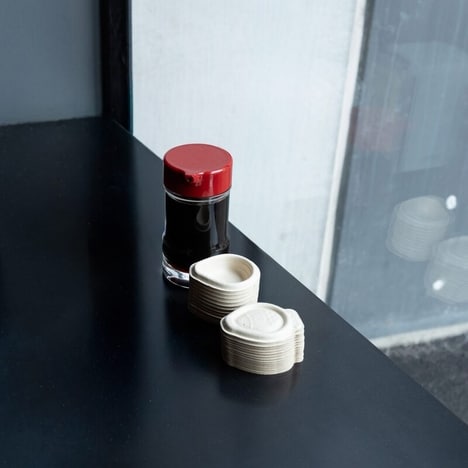
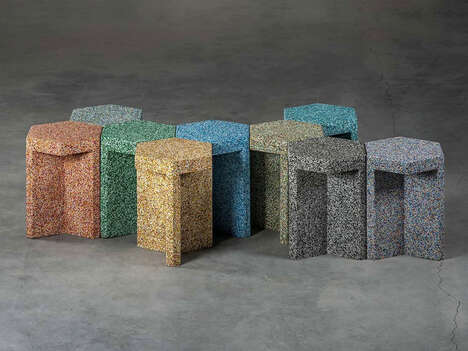
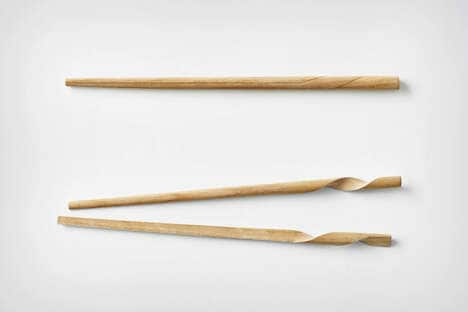
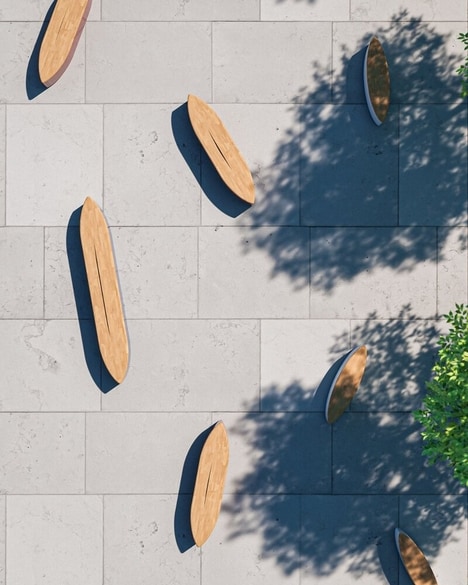
Shuhei Ogawara, a city-hall employee, has made a 13-foot canoe from thousands of disposable chopsticks that he collected from the city hall cafeteria. He was disturbed that perfectly good wood was being thrown away - so, he spent two years constructing this 66 pound boat out of 7,382 chopsticks. A launching ceremony is planned for May at nearby Lake Inawashiro.
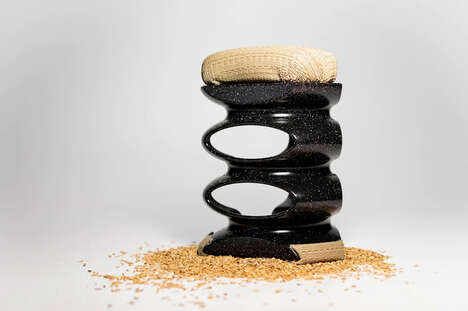
Implications - The rise of environmentalism has caused consumers all over the world to take a closer look at the waste we produce in today's throwaway culture. By creating functional sculptures from recycled and reclaimed materials, artists can make a social statement and save items from clogging up local landfills.
Key Themes Behind This Trend
- Recycled Material Art
- The use of recycled and reclaimed materials in art can make a social statement and reduce waste in a throwaway culture.
- Sustainable Materials
- The rise of environmentalism demands the use of sustainable materials to decrease waste and promote a greener future.
- Upcycling
- Upcycling waste materials into functional and useful products is a creative way to reduce waste and bring new life to discarded materials.
Where This Applies
- Art and Design
- Artists and designers can disrupt conventional art and design processes by incorporating sustainable and recycled materials in their work and promoting a greener future.
- Waste Management
- The need to reduce waste demands innovation in waste management practices, such as upcycling and finding new uses for discarded materials.
- Consumer Goods
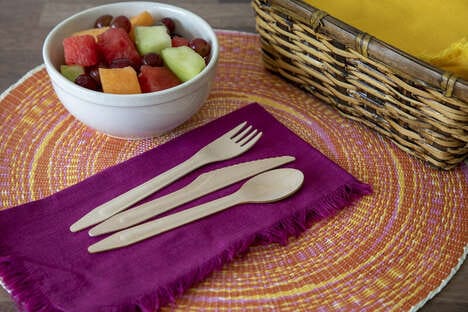
- Incorporating recycled and sustainable materials in the production of consumer goods can appeal to environmentally conscious consumers and disrupt traditional manufacturing processes.
Featured Reports

Creatine Is Leaving the Gym. The Beverage Industry Should Pay Attention.

Verified Economy