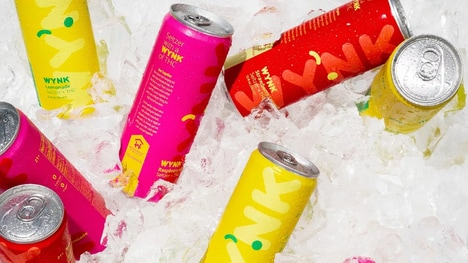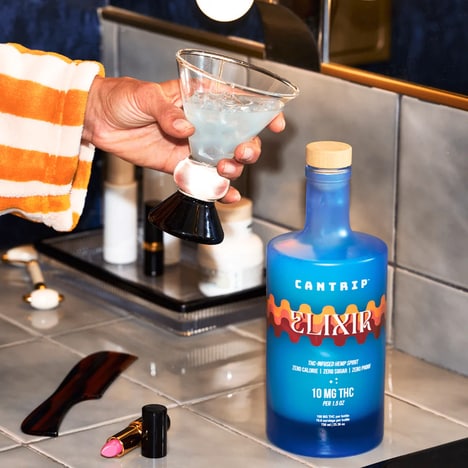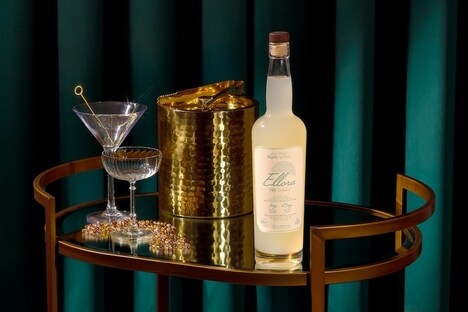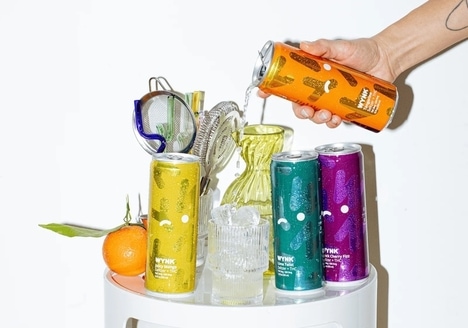
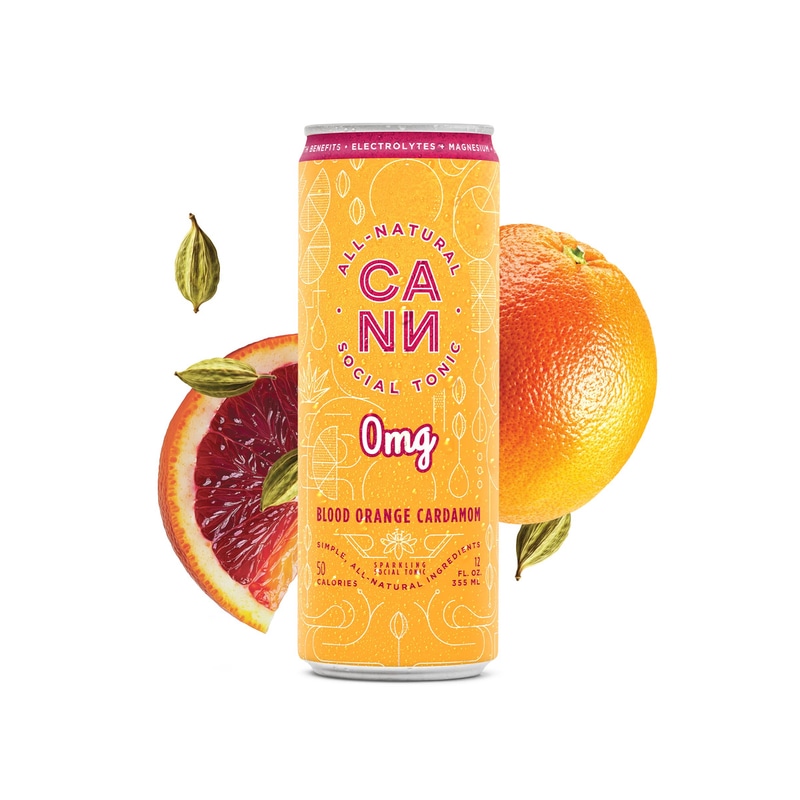
Cann introduced 'Cann 0MG,' its first-ever zero-THC beverage line, formulated with magnesium, electrolytes, L-theanine, and passion flower, debuting in Blood Orange Cardamom and Lemon Lavender flavors. The launch extends Cann's flavor-first, low-dose ethos into a THC-free format designed for everyday moments beyond the brand's signature microdosed offerings.
Each 0MG flavor combines functional ingredients for gentle mood support and hydration without sacrificing Cann's signature elevated taste profile, with Blood Orange Cardamom made from premium citrus juice and Lemon Lavender sweetened with agave.
As beverage brands look beyond their core category to capture broader occasions, Cann shows how a THC pioneer can borrow from alcohol's zero-proof playbook to reach shoppers who want the ritual without the compound that built the brand.
Image Credit: Cann
What's Driving This Trend
- Zero-proof Cannabis Alternatives
- THC-free extensions of cannabis-adjacent brands create new space for consumers seeking social rituals, premium flavor, and functional benefits without intoxication.
- Functional Mood Beverages
- Formulations featuring ingredients like L-theanine, magnesium, and botanicals point to a growing beverage segment centered on gentle relaxation, hydration, and everyday emotional support.
- Ritual-driven Drinking
- Premium nonalcoholic and non-THC drinks are reshaping consumption occasions by offering familiar sensory and social cues without the effects of alcohol or cannabis.
Who This Affects Most
- Nonalcoholic Beverages
- The expansion of zero-proof formats beyond alcohol substitutes signals opportunities for brands to serve wellness-minded consumers across daytime, social, and recovery occasions.
- Cannabis Products
- Cannabis companies moving into 0MG formats can broaden their relevance by retaining brand equity while reaching shoppers who avoid THC.
- Functional Wellness
- Ingredient-led beverages are connecting supplements and refreshments, creating crossover potential for products that combine taste, hydration, and mood-focused positioning.