

When it comes to building practices and approaches toward erecting new structures or renovating old ones, one can opt for the efficient way or chose to embrace a slower pace — both methods have benefits. While one provides for a quick but often costly construction, the other allows for the architect in command to be stress-free and meticulously plan out the course of the construction.
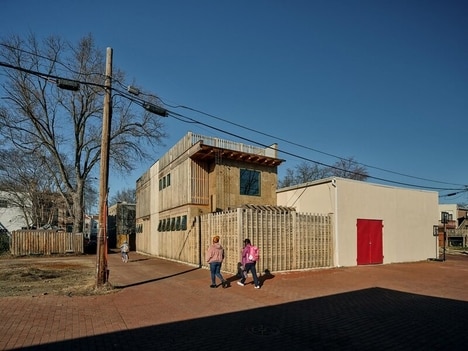
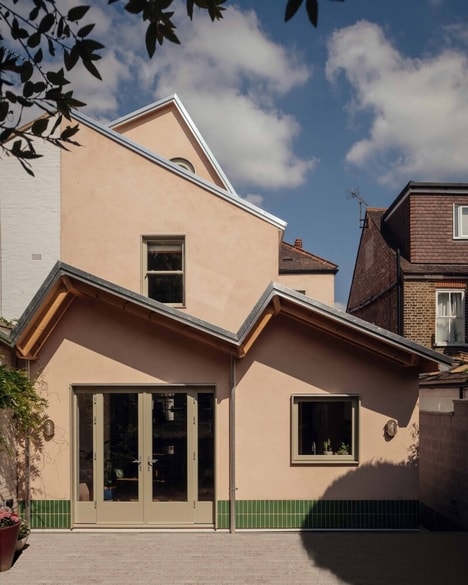
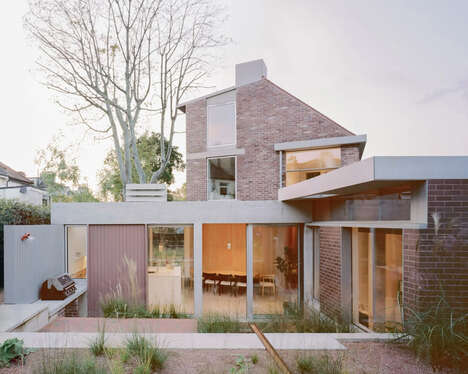
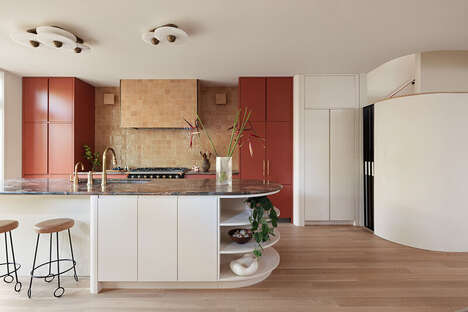
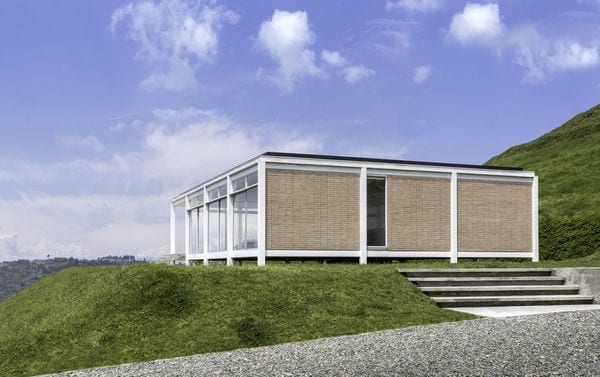
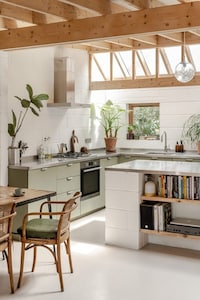
Architect Martin Fenlon chose the latter building practice for the renovation and expansion of his incredibly geometry-forward bungalow in Los Angeles. Steadily adding more living spaces and a bigger office in the LA home, Martin Fenlon worked alongside two other people and thus was successful in being cost-effective in his building practice, although the entire project took about five years to complete.
Photo Credits: John Linden
What's Driving This Trend
- Slow Building
- Choosing a slower pace of construction can provide architects with the opportunity to meticulously plan out building projects, leading to cost-effective practices and room for creativity.
- Cost-effective Construction
- Cost-effective building practices can lead to efficient and sustainable building practices while prioritizing creativity.
- Collaborative Construction
- Collaborating with others in building projects can lead to cost-effective approaches and sharing of innovative ideas.
Who This Affects Most
- Architecture
- This trend can be applied to the architecture industry as a way to prioritize creativity and cost-effectiveness
- Construction
- Slow and cost-effective building practices can lead to efficient and sustainable approaches to construction while promoting innovative thinking.
- Real Estate
- Developers in the real estate industry can benefit from cost-effective building practices, which can lead to sustainable building and reduced construction costs.