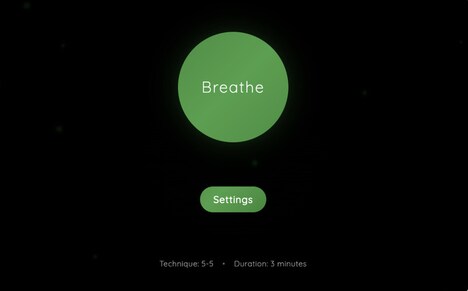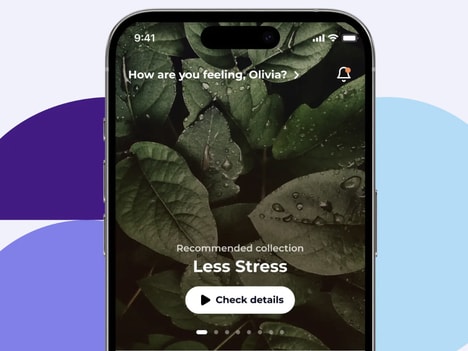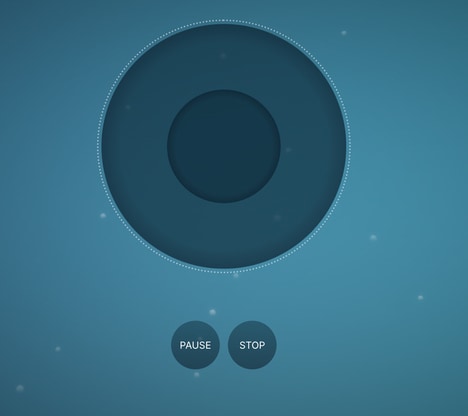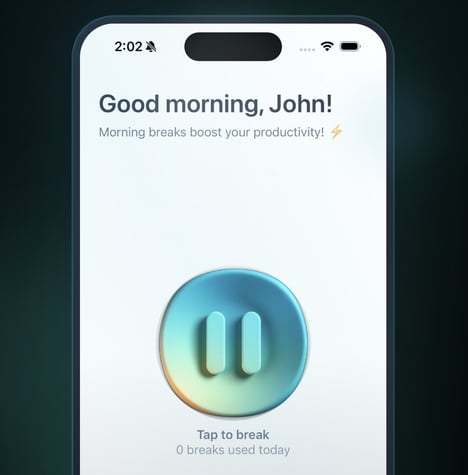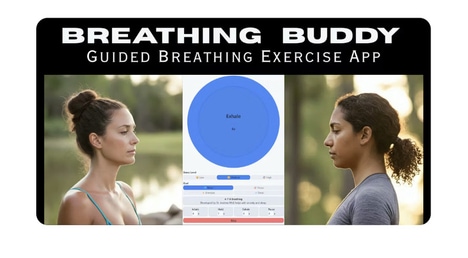
Long hours at a desk can quietly take a toll on both physical and mental wellbeing, but Breathing Break helps users build healthier workday routines with personalised breathing exercises, stretches, and guided meditations that take as little as one to five minutes to complete.
Rather than expecting major lifestyle changes, the app encourages small, consistent breaks that fit naturally between meetings, tasks, and focused work sessions. Each activity is designed to improve concentration, reduce stress, ease physical tension, and restore energy without disrupting productivity.
Created specifically for people who spend most of their day at a computer, Breathing Break supports long-term wellbeing by making healthy habits easy to maintain. It's a simple companion for anyone looking to stay focused, prevent burnout, and feel better throughout the working day.
Image Credit: Breathing Break
What Makes This Trend Stand Out
- Micro-wellness Interventions
- Short, low-friction wellness sessions create space for platforms that embed stress relief, movement, and mindfulness into everyday work rhythms without reducing output.
- Desk-based Recovery
- Computer-centered routines are opening demand for ergonomic, mental health, and mobility tools designed specifically for sedentary professionals.
- Personalized Break Coaching
- Adaptive recommendations based on workload, mood, posture, and calendar patterns signal potential for smarter wellness companions that make preventive care feel effortless.
Sectors Adopting This
- Workplace Wellness
- Employers are increasingly receptive to scalable wellbeing solutions that address burnout, focus, and employee retention through brief daily interventions.
- Productivity Software
- Task managers, calendars, and collaboration tools can gain new value by integrating restorative breaks as part of sustainable performance management.
- Digital Health
- Preventive health apps are expanding beyond fitness tracking into behavior-shaping micro-sessions that support mental clarity, physical comfort, and long-term habit formation.