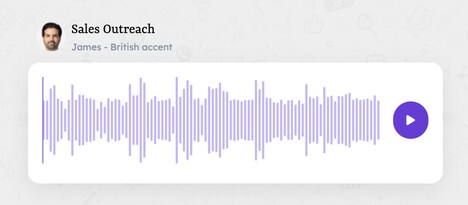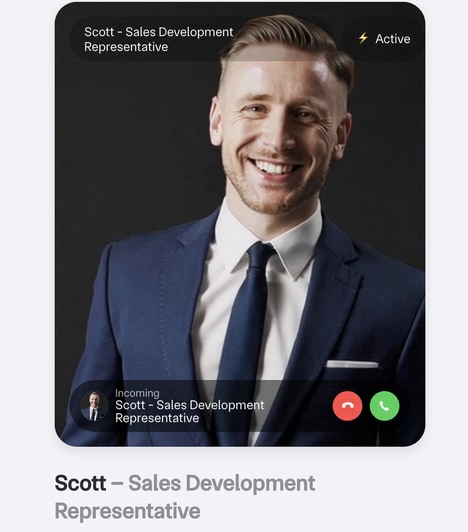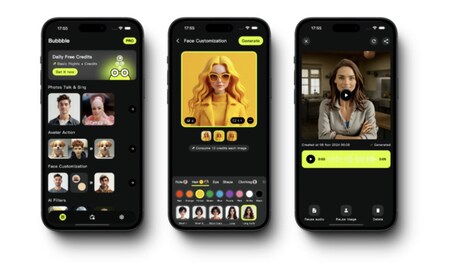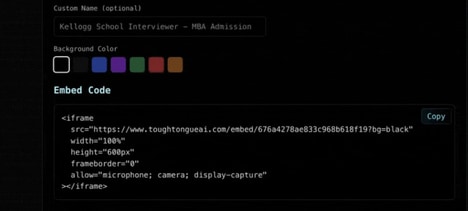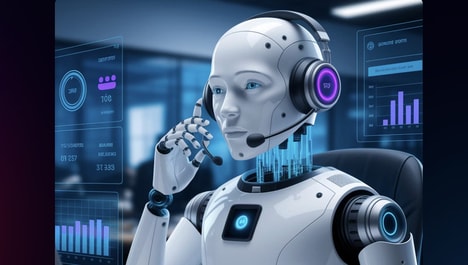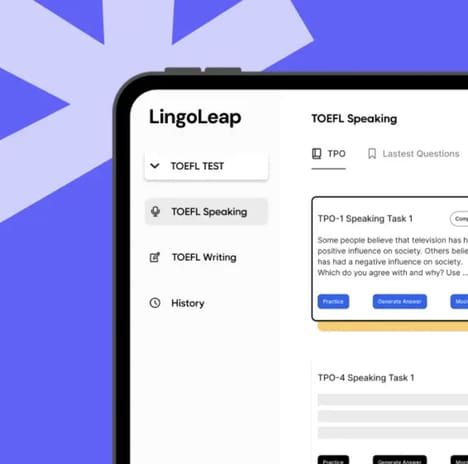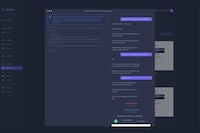
Blobfish AI is a conversational training platform designed for call centers and sales teams, focusing on voice-based roleplay simulations. It enables agents to practice handling customer interactions in a controlled environment that mimics real-world scenarios.
The system is structured to improve communication skills, response accuracy, and confidence through repeated simulated conversations. By leveraging conversational AI, it generates dynamic dialogue flows that can represent different customer types and situations, such as support requests or sales inquiries. This allows organizations to standardize training while providing scalable practice opportunities for employees. The platform is primarily used for workforce development in customer service environments where communication quality directly impacts performance metrics. Blobfish AI reflects a broader shift toward AI-assisted training systems that replace or supplement traditional roleplay methods with automated, data-driven simulations.
Image Credit: Blobfish AI
Key Themes Behind This Trend
- AI Roleplay Simulation
- Automated roleplay simulations recreate diverse customer personalities and scenarios, enabling continuous, low-cost practice that can upend traditional live coaching models.
- Voice-centric Training
- A focus on voice-driven interaction modeling emphasizes prosody, tone, and pacing, creating new value around vocal analytics and adaptive speech coaching.
- Data-driven Conversational Assessment
- Real-time conversation metrics and performance analytics allow objective, scalable evaluation of agent skills, shifting assessment from subjective observation to quantifiable benchmarks.
Where This Applies
- Call Centers and Customer Support
- Contact centers see potential for reduced ramp time and higher first-contact resolution by embedding simulated voice training into onboarding and ongoing competency checks.
- Sales Enablement and Training
- Sales teams benefit from realistic objection-handling rehearsals that mirror buyer archetypes, enabling more consistent pitch performance across distributed reps.
- Workforce Development and L and D
- Corporate learning functions gain scalable experiential learning pathways that can personalize skill development at enterprise scale through conversational AI.