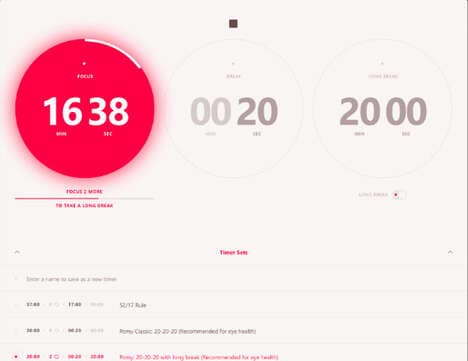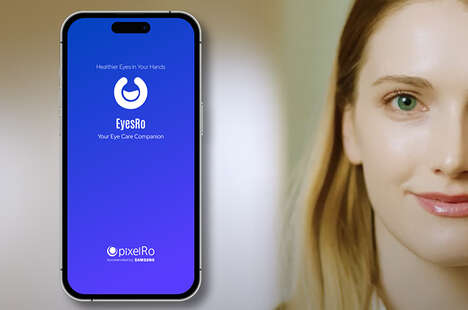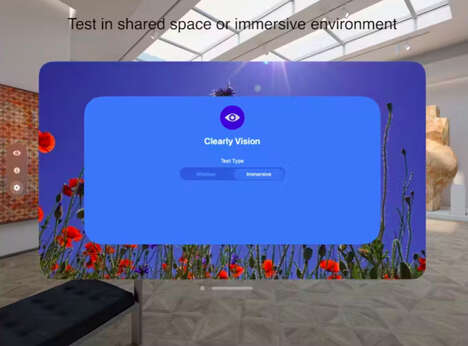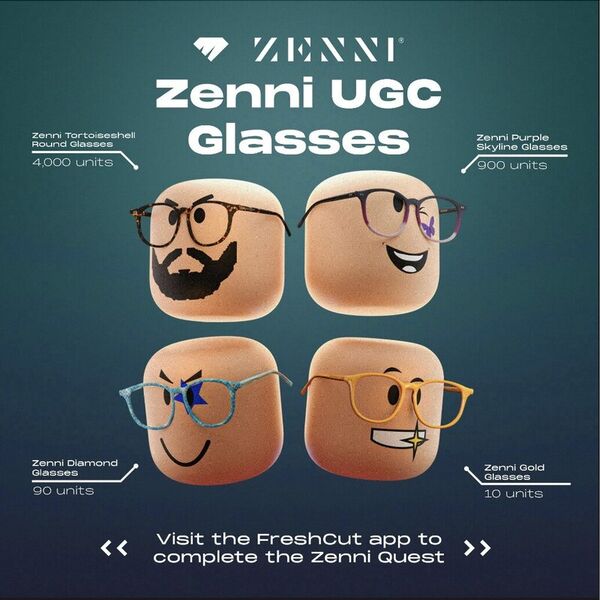

In today's digital age, where screen time is inevitable, Blink Eye emerges as a vital tool in preserving eye health. Harnessing the power of technology, this eye care assistant offers a proactive approach to combating eye strain.
By adhering to the scientifically proven 20-20-20 rule, users can effectively manage their eye health and alleviate discomfort. The app's intuitive features, such as customizable reminders and full-screen popups, make it effortless to integrate into daily routines. As technology continues to infiltrate every aspect of our lives, innovations like Blink Eye serve as a reminder of its potential to enhance our well-being. By prioritizing eye health and simplifying care routines, this app exemplifies how technology can empower individuals to take proactive steps towards better health.
Image Credit: Blink Eye
Why This Trend Is Growing
- Personalized Eye Care
- Blink Eye's customizable reminders cater to individual needs, paving the way for personalized eye health solutions.
- Proactive Wellness Tech
- Incorporating the 20-20-20 rule, Blink Eye represents a trend towards proactive wellness technologies that address specific health concerns.
- Integration of Health Apps
- The seamless integration of Blink Eye into daily routines highlights the trend of health apps becoming essential tools for digital well-being.
Industries Being Reshaped
- Healthcare Technology
- The emergence of apps like Blink Eye signals disruptive innovation opportunities in healthcare technology, particularly in preventive eye care solutions.
- Digital Wellness
- Blink Eye's role in promoting eye health underscores the potential for disruptive innovation in the digital wellness sector, encouraging proactive approaches towards overall well-being.
- Mobile Application Development
- The user-friendly features of Blink Eye exemplify disruptive innovation possibilities in mobile application development, emphasizing seamless integration and user engagement for health-focused apps.