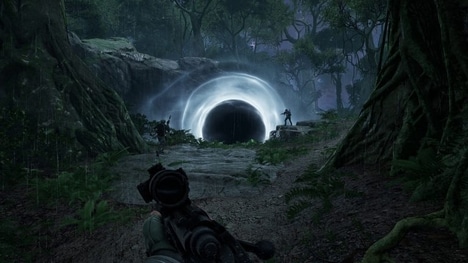
Call of Duty developer Activision introduced Black Ops Royale, a free battle royale mode launching on March 13, designed as a tribute to the series' Blackout roots, featuring 100-player matches fought in four-person squads and emphasizing scavenged armaments from Black Ops 7. The mode uses the large Avalon map and omits Warzone staples like loadouts, a gulag, and buy stations, instead leaning on on-map weapon pickups and an upgrade-driven progression system.
Black Ops Royale also reimagined Blackout-era weapon handling and bullet drop for today's Warzone audience and adds an open-ended perks system that lets players tailor play styles by mixing passive bonuses and loadout modifiers. For players, the release restores a classic Call of Duty BR loop—exploration, scavenging, and emergent team play—while tapping nostalgia for earlier franchise mechanics in a streamlined, modern format.
Image Credit: Activision
Key Themes Behind This Trend
- Nostalgia-driven Mode Revivals
- Reintroducing legacy mechanics taps long-term player loyalty and creates demand for legacy-focused content packages and remastered experiences.
- Simplified Battle Royale Loops
- Stripping systems down to exploration, scavenging, and emergent team play encourages lower-entry experiences that can broaden audience reach and retention.
- Modular Perks and Loadout-free Play
- Open-ended perk systems and on-map progression enable dynamic personalization that can shift monetization toward modular, in-match upgrades and cosmetics.
Where This Applies
- Game Development
- Reviving classic modes within modern engines presents opportunities for studios to differentiate via hybrid design philosophies blending nostalgia with contemporary tech.
- Cloud Gaming Platforms
- Streamlined, session-focused multiplayer modes better align with low-latency streaming models and can drive investment in distributed server orchestration and instant matchmaking.
- Esports and Competitive Events
- Emergent team play and 100-player squad formats open avenues for alternative tournament structures and spectator-centric broadcasting features.