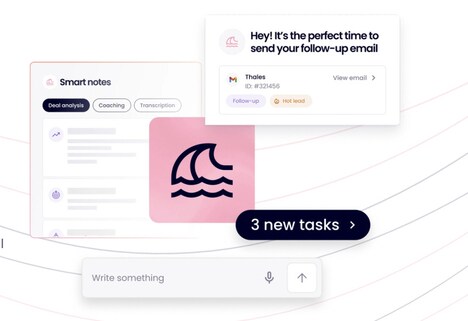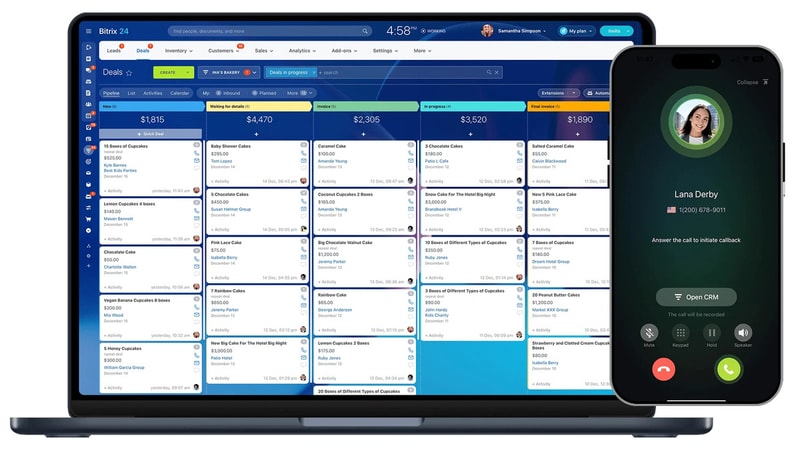
Bitrix24 launched Bitrix24 Copilot, an embedded AI layer that transforms its CRM platform into a centralized operating environment for small and midsize businesses. The system integrates AI across sales, marketing, customer support, communications and collaboration workflows, enabling businesses to automate lead qualification, follow-ups, ticket management and other routine operational tasks within a single platform.
Copilot combines low-code workflows and prebuilt automations with capabilities such as lead scoring, automated meeting scheduling, proposal generation and real-time pipeline updates. By connecting CRM records, telephony, email, chat and task-management tools, the platform allows AI-driven actions to update customer data and business workflows automatically across departments.
For SMEs, the platform reduces reliance on disconnected software tools and manual coordination by centralizing customer operations and automating repetitive processes. The launch reflects a broader shift toward AI-powered business platforms that help lean teams improve productivity, responsiveness and operational efficiency without significantly increasing headcount.
Image Credit: Bitrix24
What Makes This Trend Stand Out
- Embedded AI CRM
- AI built directly into customer relationship platforms creates new potential for unified sales, support and marketing systems that automate decisions without requiring separate software layers.
- Low-code Automation
- Prebuilt workflows and low-code tools are expanding access to operational automation for smaller teams, reducing the technical barriers that once limited process optimization.
- Unified Customer Operations
- Centralized platforms that connect communications, tasks and customer data are reshaping how businesses coordinate revenue and service workflows across departments.
Sectors Adopting This
- Customer Relationship Management
- CRM providers are increasingly differentiated by native AI capabilities that transform static databases into active operating systems for customer-facing teams.
- Small Business Software
- SMB software markets are being disrupted by all-in-one platforms that replace fragmented tool stacks with embedded automation and intelligence.
- Business Process Automation
- Automation vendors face new competition from AI-enabled collaboration and CRM suites that incorporate workflow execution directly into everyday business applications.