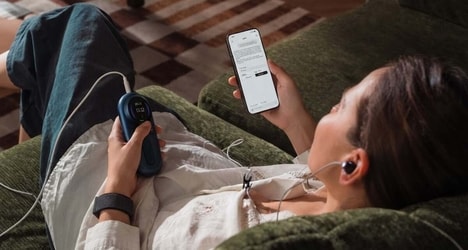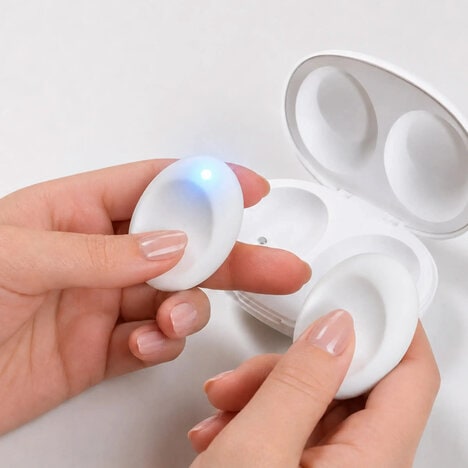
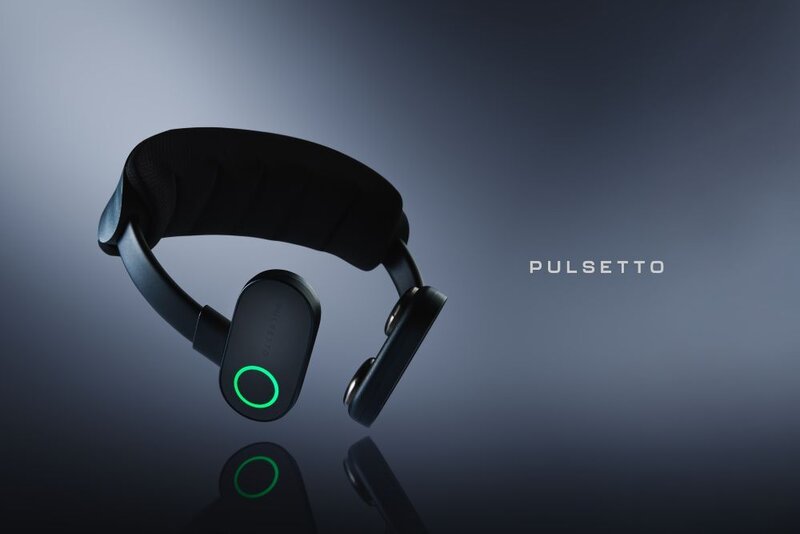
Pulsetto is advancing bilateral vagus nerve wearables with FIT X, a next-generation device designed to make nervous system training more personalized and consistent. Its redesigned X-shaped, dual-channel electrode targets both vagus nerve pathways simultaneously, while adaptive stimulation adjusts sessions to individual users. Intelligent contact sensing, gentler starting levels and improved ergonomics are designed to support more comfortable neck contact. The connected Pulsetto app also uses a Stress Resilience Score to help users follow changes in recovery habits over time.
FIT X moves Pulsetto beyond a standalone stimulation device toward a broader Stress Fitness ecosystem combining hardware, software and personalized insights. This model can encourage ongoing engagement by giving users measurable progress alongside regular sessions. For Pulsetto, expanding its platform with additional biometric insights and coaching tools could strengthen customer retention while differentiating the brand within the growing consumer neurotechnology and stress-management market.
Image Credit: Pulsetto
Why This Trend Is Growing
- Bilateral Neurostimulation
- Dual-channel wearable designs are expanding consumer access to more balanced nerve stimulation, creating room for differentiated wellness devices centered on comfort, precision and repeatable daily use.
- Stress Fitness Platforms
- Integrated ecosystems that combine hardware, app-based scoring and recovery insights are reframing stress management as a measurable fitness category with recurring engagement potential.
- Adaptive Wellness Personalization
- Real-time sensing and individualized stimulation settings are shifting wellness products toward responsive experiences that can improve adherence and perceived effectiveness.
Industries Being Reshaped
- Consumer Neurotechnology
- Wearable nervous-system tools are moving from niche biohacking products into mainstream wellness, opening opportunities for brands that pair scientific positioning with accessible user experiences.
- Digital Health
- App-connected recovery metrics and behavioral tracking are strengthening the role of non-clinical health platforms in preventive care, habit formation and long-term user retention.
- Wearable Technology
- Ergonomic sensor-enabled devices for stress and recovery are broadening the wearables market beyond activity tracking into nervous-system support and personalized biometric feedback.