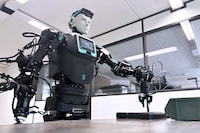
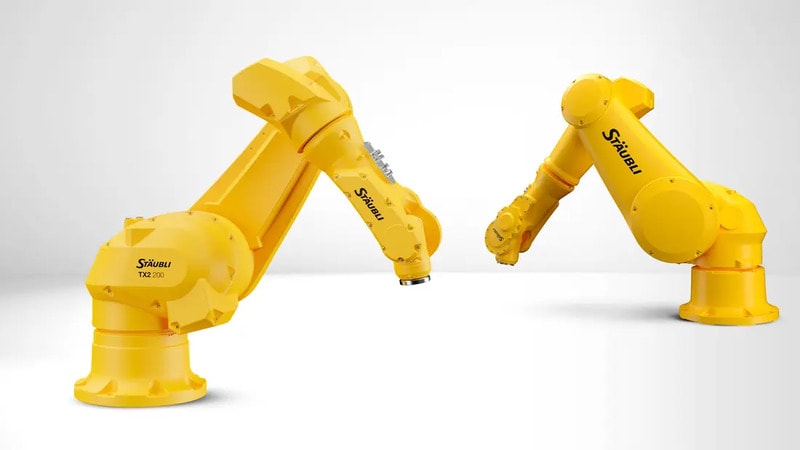
Stäubli rolled out an expanded automated assembly lines in Bangalore in a $10 million investment to scale production of PV connectors, the company announced. The site was designed with advanced automated assembly lines and enhanced quality-assurance systems, featuring energy-efficient processes and zero-discharge operations.
The upgraded facility targets connectors that link solar modules to inverters and balance-of-system equipment and began production in January 2026. It will support higher volumes, reduced lead times and strengthened supply resilience for OEMs, EPCs and asset owners. The expansion also accelerates local application engineering and product development while fostering skill development and job creation.
For buyers and project developers this means faster delivery of globally benchmarked PV connector solutions and more localized support, reflecting a wider trend toward regionalized, sustainable solar supply chains.
Image Credit: Stäubli
What's Driving This Trend
- Regionalized Sustainable Supply Chains
- Localized production and support for PV connectors enabling resilient, lower-carbon supply networks that reshape procurement and inventory strategies.
- Automated Assembly for PV Components
- High-throughput, automated lines that increase scale and consistency for connector output, creating scope for modular, software-driven manufacturing models.
- Quality-assured Zero-discharge Manufacturing
- Advanced quality-assurance systems combined with zero-discharge processes that enable premium, compliance-ready products and differentiate suppliers on sustainability credentials.
Who This Affects Most
- Solar EPC and Project Development
- Faster delivery and localized engineering support that influence project timelines, cost structures, and risk allocation across installation portfolios.
- PV Component Manufacturing
- Scale-up of automated, energy-efficient plants that shifts competitive advantage toward manufacturers with integrated R&D, localized production, and sustainability certifications.
- Industrial Automation and Robotics
- Demand for specialized automated assembly and QA systems that drives development of adaptable robotic cells and industry-specific software solutions.