
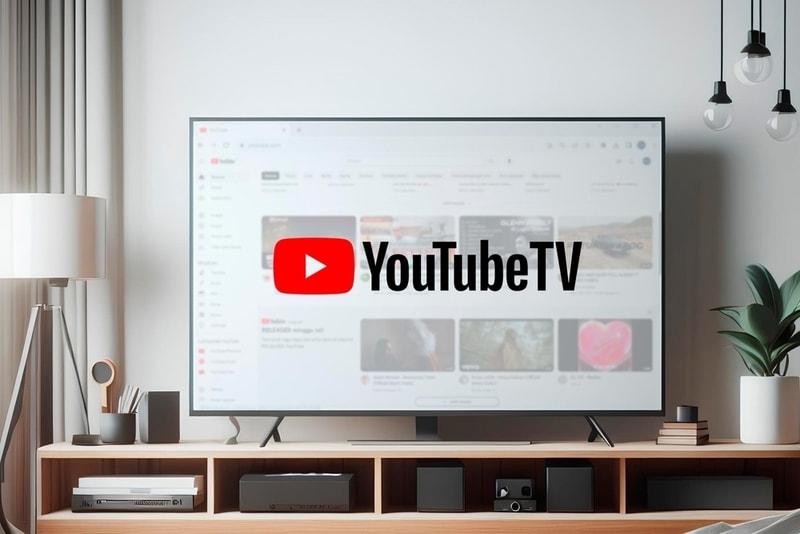
YouTube introduced a Gemini-powered "Ask" button for its TV app, rolling the feature out experimentally on smart TVs, gaming consoles and streaming devices. The on-screen control summons a conversational AI trained on an individual video's content, and it can be triggered with a remote microphone or on-screen selection. The rollout targeted a small group of users at launch.
On TVs the feature shows canned prompts tied to the video and also accepts spoken, freeform questions via compatible remotes. Examples Google listed included clarifying recipe ingredients or asking about a song's lyrics, mirroring the desktop and mobile Ask experience. The system uses the Gemini model to parse and answer video-specific queries.
For viewers this brings contextual search and real-time clarification to the living room, reducing app switching and search friction. As a content-aware assistant, Ask on TVs reflects a broader trend of embedding generative AI directly into media platforms to enhance discovery and comprehension.
Image Credit: Azulblue / Shutterstock
What Makes This Trend Stand Out
- Contextual Video Assistants
- A viewer-facing assistant that answers questions about specific video content could transform how consumers discover and engage with media within the same app.
- Voice-activated Conversational Interfaces
- Natural language queries via remote microphones enable hands-free interaction models that can shift control from navigation menus to conversational discovery.
- Embedded Generative AI in Media
- Integrating generative models directly into playback experiences can create personalized, context-aware explanations and summaries tied to individual assets.
Sectors Adopting This
- Streaming Platforms
- Platforms that embed video-specific AI assistants could change retention and recommendation economics by offering instant, contextual engagement without leaving playback.
- Smart TV Manufacturers
- Device makers that ship with built-in voice and AI capabilities may redefine the hardware value proposition around seamless, on-screen conversational features.
- Advertising and Content Monetization
- Advertisers and publishers that leverage in-video conversational overlays could unlock new interactive ad formats and provenance-driven sponsorship models.