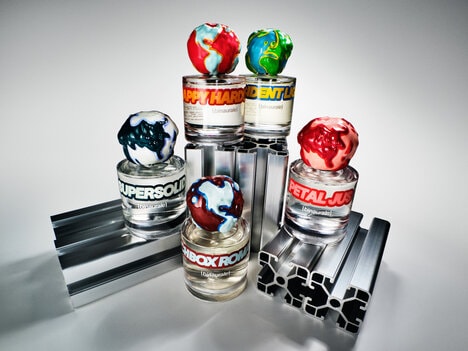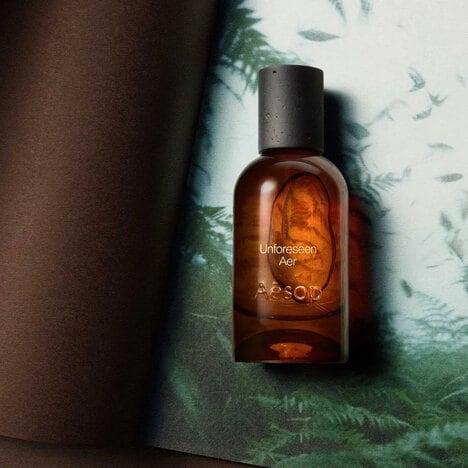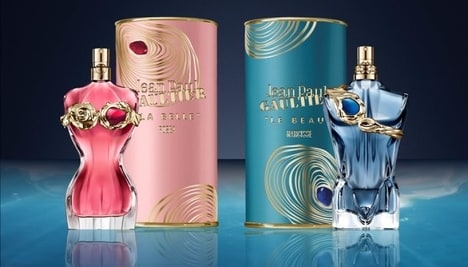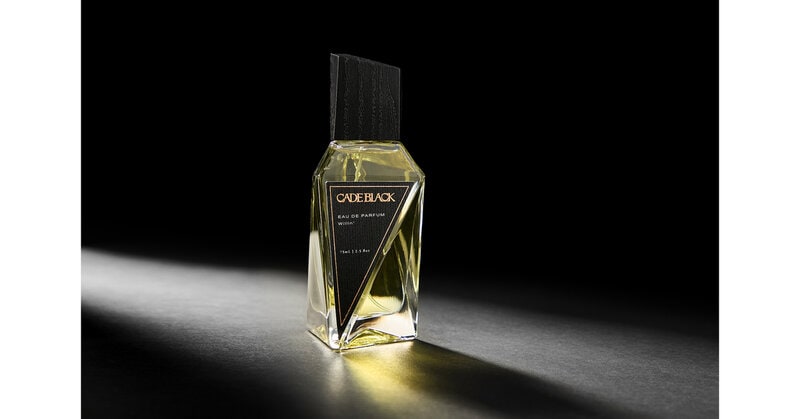
Cade Black is introducing architectural perfume bottles designed by renowned French designer Pierre Dinand, bringing a sculptural appearance to its collection of six botanical fragrances. Developed through a two-year collaboration, the new packaging features angular glass surfaces that reflect light, alongside a carefully crafted wooden cap inspired by the brand's connection to nature.
The redesign combines Dinand's architectural background with founder Emily Voth's approach to natural perfumery. Cade Black produces its fragrances in small batches using botanical ingredients such as essential oils, resins, absolutes, and CO2 extracts, without synthetic fragrance or petroleum byproducts. The distinctive bottle design adds a luxury element to these plant-based formulations.
For Cade Black, the collaboration strengthens its identity within the premium fragrance market. The redesigned packaging could help attract customers interested in craftsmanship, distinctive presentation, and botanical ingredients while supporting the brand's exclusive positioning.
Image Credit: Cade Black / Pierre Dinand
Key Themes Behind This Trend
- Architectural Packaging
- Sculptural bottle forms are turning fragrance containers into collectible design objects that differentiate premium products beyond scent alone.
- Botanical Luxury
- Plant-based formulations paired with elevated presentation are expanding the definition of luxury for consumers seeking natural yet sophisticated products.
- Designer Collaborations
- Partnerships between niche brands and renowned creatives are creating distinctive visual identities that strengthen exclusivity in crowded premium markets.
Where This Applies
- Fragrance
- Premium perfume brands are using structural packaging and natural ingredients to appeal to shoppers drawn to craftsmanship and cleaner formulations.
- Luxury Goods
- Distinctive material choices and collectible aesthetics are reshaping how luxury products communicate value, scarcity, and brand story.
- Packaging Design
- Glass geometry, artisanal caps, and sensory material contrasts are creating new opportunities for packaging to function as both protection and brand experience.